Cadence and Heart Rate: Training Basics for Beginners
Learn what cadence and heart rate mean for cyclists, what numbers to aim for, and how to use both to train smarter on the bike.
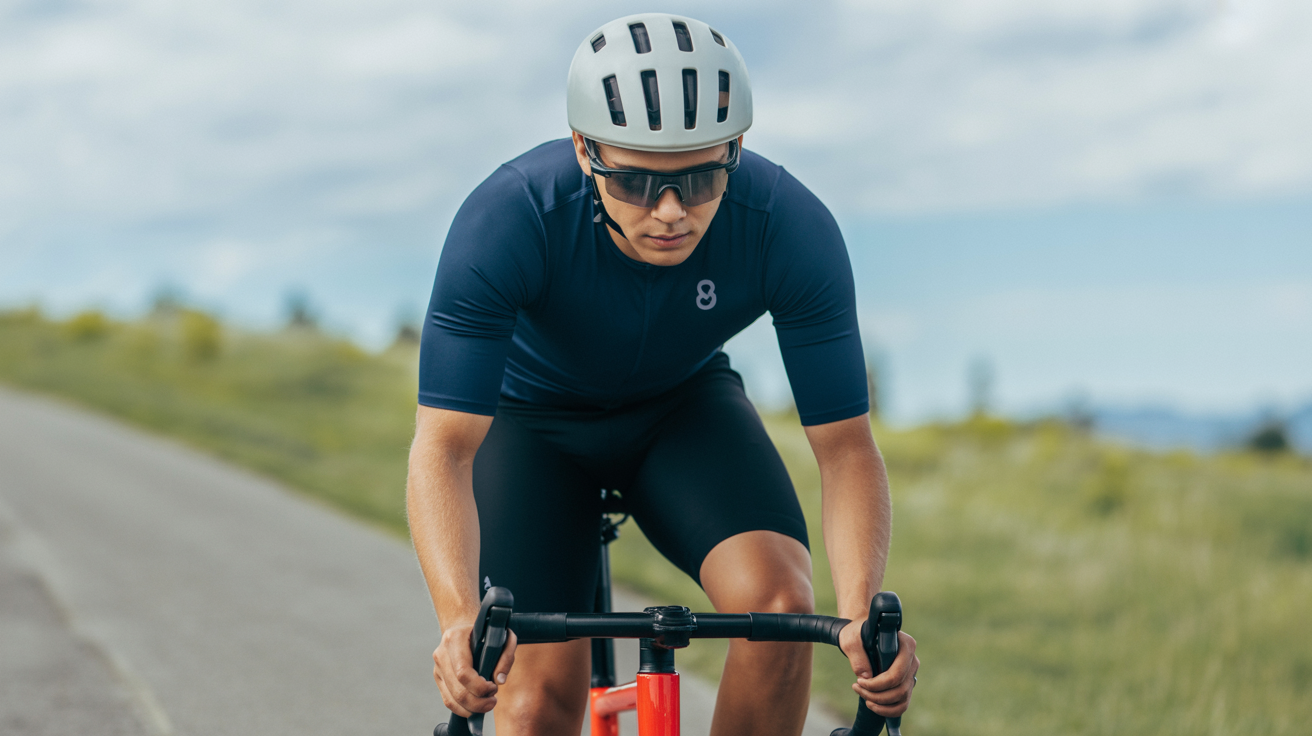
If you have been riding for a few weeks, you have probably heard the words "cadence" and "heart rate zones" float around cycling forums or apps. Both measure something real about how your body is working, and understanding them can make a big difference in how quickly you improve. You do not need a power meter or a coach to get started. A basic sense of what these numbers mean, and how they relate to each other, is enough.
What Is Cadence and Why Does It Matter?
Cadence is how many times one foot completes a full pedal revolution per minute, abbreviated as RPM. A cadence sensor (a small magnet and receiver you can add to most bikes for under $30) or a GPS cycling app can track this automatically.
Most beginners pedal somewhere between 50 and 70 RPM because that is where the legs feel the most mechanical leverage. The problem is that pushing a big gear at low cadence puts a lot of stress on the knees and hip flexors over time. Spinning faster in a lighter gear puts that effort back into your cardiovascular system, which is easier to recover from and safer for your joints.
A cadence of 80 to 100 RPM is a useful target range for most recreational riders on flat to rolling terrain. On climbs, 65 to 75 RPM is realistic. These are not hard rules, but they give you a reference point to compare against.
The practical move: pick a moderate gear on a quiet road and count how many times your right knee comes up in 15 seconds. Multiply by four. If the number is below 75, shift to a lighter gear and try to reach a rhythm that feels slightly uncomfortable at first.
Heart Rate Zones Explained Simply
Heart rate zones divide your effort into bands, usually five, based on a percentage of your maximum heart rate. You do not need to take a lab test to estimate your max heart rate, though a field test will be more accurate than a formula.
A rough starting formula: 220 minus your age. A 35-year-old gets roughly 185 beats per minute (BPM) as an estimated max. From there, the five common zones look like this:
| Zone | % of Max HR | How It Feels |
|---|---|---|
| 1 | 50-60% | Very easy, conversational |
| 2 | 60-70% | Comfortable, can speak in full sentences |
| 3 | 70-80% | Moderate, sentences get shorter |
| 4 | 80-90% | Hard, a few words only |
| 5 | 90-100% | Maximum, not sustainable for long |
For beginners, Zones 1 and 2 are where most of your riding should happen. Zone 2 in particular builds the aerobic base that makes everything else easier. It feels almost too easy, which is why many new riders skip past it and end up tired all the time.
How Cadence and Heart Rate Connect
These two numbers are linked, and paying attention to both at once is where the real feedback happens.
If your heart rate climbs into Zone 4 on a flat road during what should be an easy ride, check your cadence first. A low cadence (below 70 RPM) forces you to push harder against the pedals, which drives your heart rate up. Shift to a lighter gear, spin faster, and watch your heart rate settle.
Conversely, if your cadence is high but your heart rate is also high, you may simply be going too fast for an easy day. Slow down, and let the numbers come down together.
Over several weeks of riding, you will notice the same cadence and pace starts to produce a lower heart rate. That is your aerobic fitness improving. It is one of the clearest signals that your training is working.
How to Pedal Efficiently
Pedaling efficiently is not just about spinning fast. It is about applying force smoothly around the whole pedal stroke, not just stomping down at the top.
A few habits that help:
- Think of scraping mud off your shoe at the bottom of the stroke (the 6 o'clock position). This cue gets the hamstrings involved and smooths out the dead spot.
- Keep your ankle relaxed rather than pointing your toe down through the stroke. A neutral to slightly positive (heel drops slightly) ankle position recruits the calf properly.
- Engage your core lightly. If your hips rock side to side, your saddle may be too high, but it can also mean your core is not stabilizing the pelvis. A small tightening of the abs helps.
- Avoid bouncing in the saddle. If you feel yourself lifting off the seat at high cadence, drop the RPM slightly until your pedal stroke smooths out. You can build from there.
For a practical guide to building the base fitness that makes all of this easier, see how to build cycling endurance from scratch.
Putting It Together on a Ride
A simple structure for your next ride:
- Warm up for 10-15 minutes in Zone 1. Easy spinning, light gear, cadence around 85-90 RPM.
- Spend 30-45 minutes in Zone 2. Hold a conversational pace. If you have a phone with a cycling app open, keep the heart rate display visible and nudge it down if it drifts into Zone 3.
- Check your cadence every 5 minutes. If it has dropped below 75, shift lighter.
- Cool down for 10 minutes back in Zone 1.
That is it. No intervals, no sprints. This kind of ride is the foundation that faster rides are built on. Once you can hold 90 minutes in Zone 2 comfortably, you are ready to add structure on top.
When you are ready to extend your rides, how to ride your first 20 miles covers pacing and planning in more detail. And once rides get longer, fueling matters too: what to eat and drink on a bike ride has practical guidance on keeping energy up.
Frequently Asked Questions
What is a good cadence for a beginner cyclist?
Aim for 80 to 90 RPM on flat roads as a starting target. Many beginners ride in the 60-70 RPM range, which is fine to start from, but working toward a higher cadence generally reduces knee strain and improves efficiency over time.
Do I need a heart rate monitor to use heart rate zones?
Not strictly. You can estimate your zone by feel: Zone 2 is the pace where you can hold a full conversation but notice you are breathing more than normal. A monitor does make it easier to be consistent, and basic chest straps and optical wrist sensors are inexpensive.
How do I know if I am riding in Zone 2?
Talk test: if you can say a sentence of about eight words without pausing for a breath, you are likely in Zone 2 or lower. If you can only manage three to four words before needing air, you have drifted into Zone 3 or 4.
Why does my cadence drop on hills even when I shift?
On steeper climbs, even the lightest gear may not allow you to hold 80 RPM without spinning out. A cadence of 65-75 RPM on climbs is realistic and acceptable. If you find yourself grinding well below that, you may benefit from a wider gear range on your bike (a larger rear cassette, for example).
Can riding too much in Zone 2 make me slower?
No. Skipping Zone 2 and riding too much in Zone 3 is the more common mistake. Zone 3 is hard enough to cause fatigue but not hard enough to build the same aerobic adaptations as Zone 2 or the speed gains of Zone 4-5 work. Beginners who stack Zone 2 hours consistently tend to progress faster than those who ride at a perpetual moderate grind.