Cycling to Lose Weight: A Realistic Beginner's Guide
Learn how cycling for weight loss actually works, how much riding you need, and how to build a routine that gets results without burning you out.
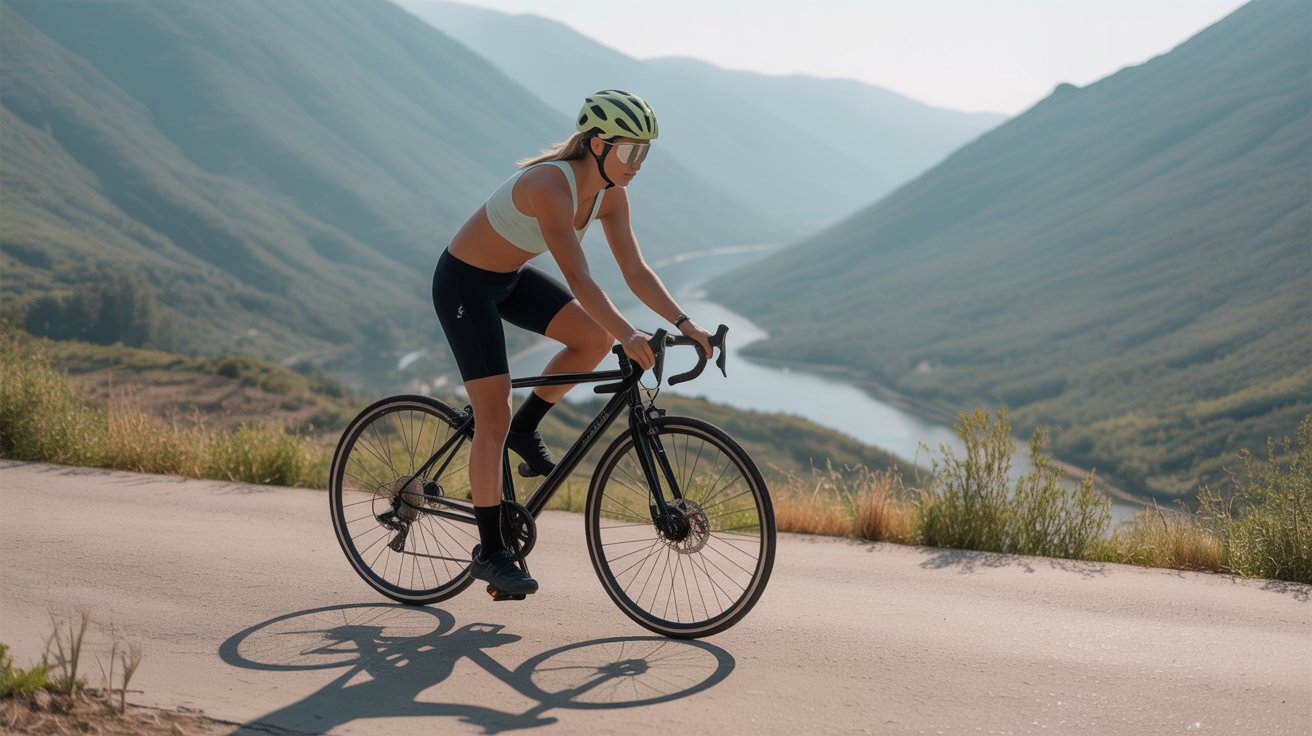
Cycling can absolutely help you lose weight, but only if you set up your riding around realistic expectations. The honest answer to "how much do I need to ride?" is: more than a single 20-minute spin per week, but less than the marathon training schedules that make most beginners quit. This guide lays out what actually moves the needle when you are just getting started.
How Cycling Burns Calories
Cycling is a low-impact aerobic activity, which means you can do it for extended periods without the joint stress that comes from running. That matters for weight loss because longer sessions burn more total calories, and you are more likely to stick with something that does not leave your knees aching the next morning.
The number of calories you burn depends on your body weight, your riding intensity, and how long you ride. A heavier rider burns more per hour because the body is doing more work. Riding harder burns more than riding easy. Riding for 60 minutes burns roughly twice as many calories as 30 minutes at the same effort. There are no shortcuts around those three variables.
One thing beginners often underestimate: a single ride rarely produces dramatic results on its own. Weight loss comes from a sustained calorie deficit built over weeks, not from one hard Saturday morning effort. Consistency across many rides matters far more than any single heroic session.
How Much Cycling to Lose Weight
A useful starting target for beginners is three to four rides per week, each lasting 30 to 60 minutes at a moderate effort. "Moderate" means you can still hold a conversation but you are not sightseeing. Over time, as your fitness improves, you can extend those rides or add a fourth session.
What counts as enough:
- 3 rides per week, 45 minutes each is a solid entry point. It gives you enough weekly volume to create a meaningful calorie deficit without overwhelming a schedule that still includes work, family, and recovery.
- 4 rides per week, 60 minutes each is where most beginners start to see noticeable changes in body composition, assuming diet is also addressed.
- Longer weekend ride (90 minutes or more) paired with two or three shorter weekday rides is a practical structure that fits a working adult's calendar.
Do not try to ride every day in the first month. Rest days let your muscles recover and reduce the chance of overuse injuries to your knees or lower back, which are the most common reasons new cyclists fall off the habit.
Building the fitness to ride longer takes time and a plan.
Diet Still Does Most of the Work
No amount of cycling overrides a diet that consistently puts you in a calorie surplus. This is worth naming plainly because it is the part many beginners do not want to hear.
Cycling makes it easier to maintain a calorie deficit by increasing your daily energy expenditure. But it also increases your appetite. Many riders find they unconsciously eat back a large portion of what they burned, especially in the first few weeks when the body is adapting and hunger signals are strong.
A few habits that help:
- Eat a protein-focused meal within an hour after a ride. Protein supports muscle repair and keeps you fuller longer than simple carbohydrates do after exercise.
- Stay hydrated. Thirst is sometimes misread as hunger.
- Track your food for two to three weeks. Not forever, just long enough to understand your actual intake patterns. Most people are surprised.
- Don't reward rides with big treats. A 45-minute moderate ride burns roughly 300 to 450 calories for an average adult. That is not enough to justify a large dessert on top of your regular meals.
For guidance on what to eat around your rides specifically, this breakdown on fueling for cycling covers timing and food choices that work for beginners.
Intensity: Easy Rides Versus Harder Efforts
Beginners often assume that riding as hard as possible is always better for weight loss. In reality, a mix of intensities works better and is more sustainable.
Easy, longer rides (where you can carry on a full conversation) train your body to use fat as a fuel source and build the aerobic base you need to ride for longer durations. These are the rides that become your longer weekend sessions as fitness improves.
Moderate efforts (comfortably uncomfortable, but not gasping) are where most of your riding time should sit. You are burning a meaningful number of calories, you are building fitness, and you can maintain this pace for 45 to 60 minutes without collapsing at the end.
Short harder intervals are useful once you have a few months of riding behind you. They raise your overall fitness ceiling and can help break through weight loss plateaus. But adding hard efforts too soon, before your body has adapted to regular riding, is a reliable path to burnout or injury.
Start easy. Build duration before you build intensity.
A Simple 4-Week Starter Plan
| Week | Rides | Duration Each | Effort Level |
|---|---|---|---|
| 1 | 3 | 25 min | Easy |
| 2 | 3 | 35 min | Easy to moderate |
| 3 | 3 | 40 min | Moderate |
| 4 | 4 | 40 min | Moderate |
After four weeks, you will have established a routine, your body will have adapted to regular riding, and you will have a much clearer sense of what you can handle. From there, you can extend one ride per week into a longer effort.
When you feel ready to push your first real distance milestone, this guide to riding your first 20 miles walks through the preparation and pacing.
Tracking Progress Without Obsessing Over the Scale
Body weight fluctuates daily because of hydration, food volume, and other factors that have nothing to do with fat loss. Checking the scale every morning and attaching your mood to the number is a fast route to frustration.
More useful markers of progress:
- How your clothes fit. Changes in how fabric sits across your hips or waist tend to reflect real body composition shifts.
- Ride duration and effort. If you can now ride 45 minutes at the same effort that used to exhaust you in 20 minutes, you are getting fitter, and your body is changing.
- Resting heart rate. As cardiovascular fitness improves, resting heart rate often drops. If you have a basic fitness tracker, this is a useful trend to watch.
- Energy outside the ride. Better sleep, more energy during the day, and less breathlessness on stairs are all signs that the riding is working even if the scale is slow.
Weigh yourself weekly rather than daily, at the same time of day, and look at the trend over a month rather than day-to-day noise.
Frequently Asked Questions
How long before I notice results from cycling? Most beginners feel fitness improvements within two to three weeks: rides feel easier, breathing settles faster, legs recover more quickly. Visible changes to body composition generally take four to eight weeks of consistent riding paired with reasonable eating. The timeline varies depending on how much you are riding, what you are eating, and your starting point.
Is cycling or walking better for weight loss? Both burn calories and both work. Cycling generally lets you cover more distance and burn more calories per hour than walking at a casual pace, which makes it efficient for people with limited time. But the best exercise for weight loss is one you will actually do consistently. If you enjoy cycling more, you will ride more, and that compounds over time.
Do I need a road bike to lose weight cycling? No. Any bike you can ride comfortably and safely works. A hybrid, a cruiser, or an older mountain bike all burn calories. Proper bike fit matters more than bike type: if the saddle height or reach is wrong, discomfort will cut your rides short before weight loss has a chance to happen.
Can I lose weight cycling indoors on a stationary bike? Yes. Indoor cycling, including basic stationary bikes and spin-style trainers, burns calories effectively and removes weather as an excuse not to ride. The principles are the same: moderate effort, sufficient duration, and consistency across the week.
Do I need to ride every day? No. Three to four times per week is enough for meaningful progress, and rest days are part of the plan, not a sign you are slacking. Overtraining is a real problem for new riders and tends to result in fatigue, soreness, and eventually giving up.