How to Avoid Common Cycling Aches and Pains
Cycling knee pain, saddle soreness, and neck stiffness are all fixable. Here's what causes them and how to ride comfortably from day one.
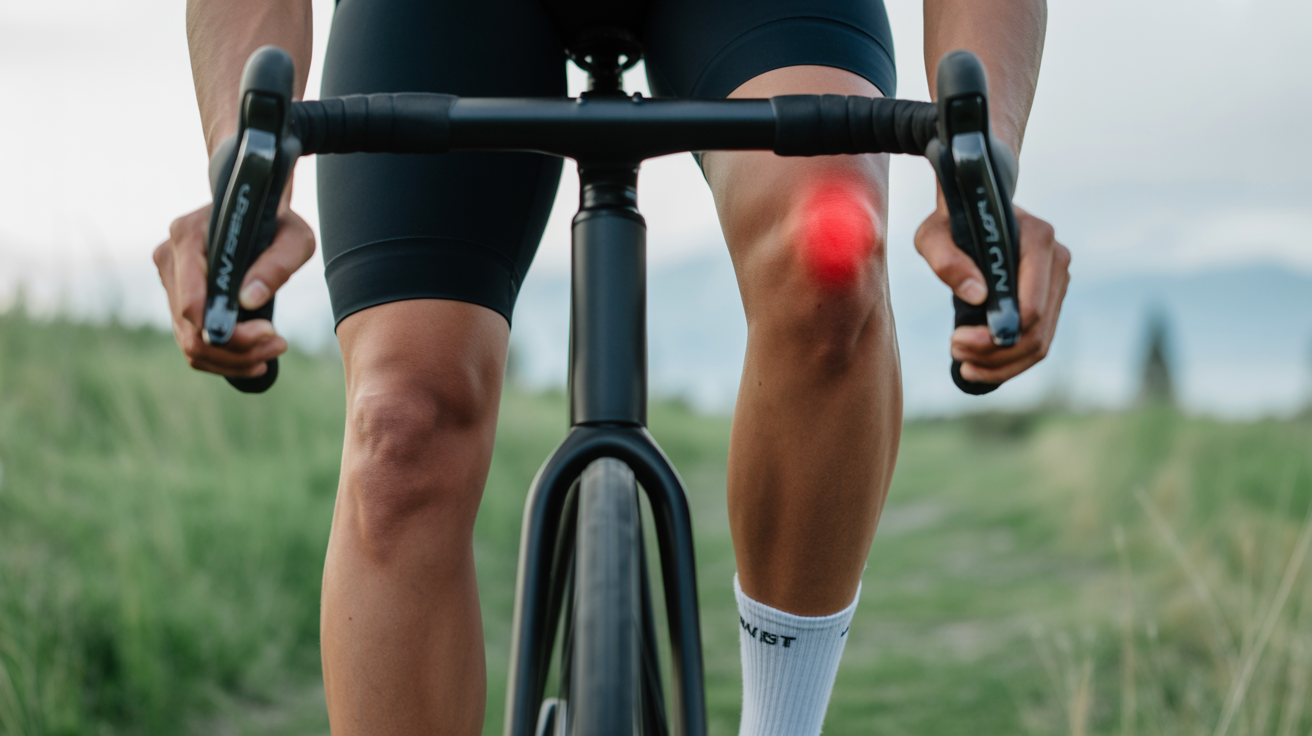
Most new cyclists expect some muscle fatigue when they start riding. What catches people off guard is pain in the wrong places: a sharp ache behind the kneecap, a stiff neck after an hour in the saddle, or skin soreness that makes the next ride feel like a punishment. None of these are signs you need to toughen up. They're signs something about your setup or technique needs a small adjustment.
This guide covers the most common sources of discomfort for beginner cyclists and gives you practical steps to address each one. One important note: this is general information, not medical advice. If you're dealing with persistent or sharp pain, a visit to a sports medicine doctor or physiotherapist is the right move.
Cycling Knee Pain: The Most Common Complaint
Cycling knee pain shows up in a few distinct patterns, and the location tells you a lot about the cause.
Pain at the front of the knee (under or around the kneecap) usually means your saddle is too low. When the saddle is too low, your knee bends sharply at the bottom of each pedal stroke, which overloads the quad tendon and the area around the kneecap. Raise your saddle until there's a slight bend in your knee (roughly 25 to 35 degrees) when your foot is at the bottom of the stroke.
Pain at the back of the knee typically points to the opposite problem: a saddle that's too high. Your leg is overextending on each downstroke, pulling on the hamstring tendon at the back of the knee. Lower the saddle slightly.
Pain on the outside of the knee is often related to cleat position on clipless pedals, or to riding with your feet pointed too far inward. If you ride flat pedals, check that your foot isn't being forced into an unnatural angle.
A few other factors contribute to cycling knee pain regardless of where it shows up:
- Pedaling in too high a gear. Grinding a big gear at low cadence puts far more stress on the knee than spinning at 80 to 90 rpm.
- Saddle fore-aft position. If the saddle is too far forward or back, your knee tracks inefficiently through the pedal stroke.
- Ramping up mileage too fast. Knee tendons adapt slower than cardiovascular fitness. If you're building toward longer distances, increasing your weekly distance gradually reduces the injury risk considerably.
Saddle Soreness: Prevention Is Far Easier Than Recovery
Saddle sore prevention comes down to three things: the right saddle, the right shorts, and time to adapt.
The saddle. A wider saddle is not always more comfortable. Saddle fit depends on the distance between your sit bones. Most bike shops can measure this quickly and point you to an appropriate saddle width. A saddle that's too wide causes chafing on the inner thighs; one that's too narrow leaves you perching on soft tissue instead of your sit bones.
The shorts. Padded cycling shorts (or liner shorts worn under regular shorts) are not optional gear for rides over 30 minutes. They reduce friction, wick moisture, and cushion the contact points. Wear them next to skin with no underwear underneath.
The adaptation window. Even with a good saddle and proper shorts, new cyclists typically need three to six weeks before saddle contact stops being noticeable. Your body adapts. What you want to avoid is overdoing it in the first few weeks and creating a wound that forces time off the bike.
Other saddle sore prevention habits worth building:
- Keep the saddle level or with a very slight downward tilt at the nose (a nose-up tilt increases pressure in sensitive areas).
- Clean up and change clothes after riding rather than sitting in damp kit.
- Apply a chamois cream to high-friction areas on longer rides.
Cycling Neck Pain: Usually a Fit Problem
Neck stiffness after cycling comes from holding your head up for long periods while your torso is bent forward. The longer you ride and the more aggressively forward-leaning your position, the harder your neck muscles work.
For beginners, the most common culprits are:
Handlebars that are too low or too far away. When you have to reach far forward and down, your upper body collapses, your lower back rounds, and your neck cranes upward to see the road. Raising the handlebars or switching to a shorter stem brings your torso more upright and reduces neck strain. Most hybrid and city bikes have plenty of stem adjustment available without buying new parts.
Tension and grip. Beginners often grip the bars too tightly and carry tension through their shoulders and upper back. Try periodically checking your grip during a ride: your elbows should be slightly bent (never locked), shoulders relaxed away from your ears.
Lack of core engagement. When your core isn't doing any of the work of supporting your upper body, your arms and neck absorb that load instead. Building basic core strength off the bike takes pressure off your neck on it.
For most beginners, a more upright position is simply more comfortable. You can always move toward a more aerodynamic setup as your fitness and technique develop.
Finding a Comfortable Cycling Position
A comfortable cycling position starts with saddle height (covered above) and extends to saddle setback, handlebar height, and reach. Here's a quick reference for the main contact points:
| Contact point | What to check | Common beginner mistake |
|---|---|---|
| Saddle height | Slight bend in knee at bottom of stroke | Too low, causing knee pain and rocking hips |
| Saddle fore-aft | Knee over the pedal axle when crank is at 3 o'clock | Too far forward, adding stress to front of knee |
| Handlebar height | Torso at roughly 45 degrees or more upright | Too low, leading to neck and lower back pain |
| Reach | Elbows slightly bent, no shoulder hunching | Too long, causing upper body tension |
These are starting points, not rigid rules. The best position is one where you can hold your form comfortably for the duration of your intended rides. If you're preparing for something like your first 20-mile ride, spending some time dialing in your fit beforehand is worth the effort.
Other Common Aches and How to Address Them
Lower back pain on the bike typically means the same things as neck pain: too much reach, a saddle set too high (which causes hip rocking), or weak core stability. Shortening reach and raising bars helps immediately; building core endurance off the bike helps long-term.
Hand and wrist numbness comes from too much weight bearing down on your palms. Padded cycling gloves help, but the real fix is redistribution: engage your core so your arms carry less weight, and check that your handlebars aren't set so low that you're forced to lean heavily onto your wrists.
Foot hotspots or numbness often trace back to shoes that are too tight, cleats misaligned on clipless shoes, or pedals that force an awkward foot angle. Loosening the straps on cycling shoes mid-ride and experimenting with cleat position resolves most foot issues.
Fueling also plays into how your body feels on the bike. Fatigue and cramping are often tied to under-eating and under-drinking. If you're riding longer distances, a look at what to eat and drink on a bike ride can make a noticeable difference in how you feel before and after.
Frequently Asked Questions
How do I know if my saddle height is correct? A good starting point: sit on the bike with your heel on the pedal at its lowest point. Your leg should be fully extended. When you move your foot to its natural pedaling position (ball of foot over pedal axle), you'll have the right amount of bend. Your hips should not rock side to side as you pedal.
Is it normal for my knees to hurt when I first start cycling? Mild muscle soreness around the knees as your legs adapt is common. Sharp pain, pain that persists after you stop riding, or pain that gets worse over consecutive rides is not something to push through. Adjust your saddle height first and reduce your mileage if needed. See a doctor or physio if it doesn't improve within a week or two of adjustment.
How long does it take for saddle soreness to go away? Most cyclists find saddle discomfort settles significantly after three to four weeks of consistent riding, assuming they're using padded shorts and the saddle fits reasonably well. If soreness is turning into skin breakdown or sores that don't heal between rides, stop until healed and reassess your setup.
Can cycling cause permanent knee damage? Properly fitted cycling is low-impact and generally joint-friendly. Most cycling-related knee problems stem from bike fit issues or training errors rather than the activity itself. Addressing the root cause early prevents most long-term problems.
Should I see a professional bike fitter? If you've adjusted your setup based on the guidance above and still have recurring pain, a proper bike fit from a qualified fitter is worth the cost. A fitting session usually takes about an hour and gives you precise measurements for your individual body geometry. It's particularly worthwhile if you plan to ride regularly or work up to longer distances.