Indoor Cycling and Turbo Trainers for Beginners
Learn how to start indoor cycling training with a turbo trainer or smart trainer. Setup tips, beginner workouts, and what to buy first.
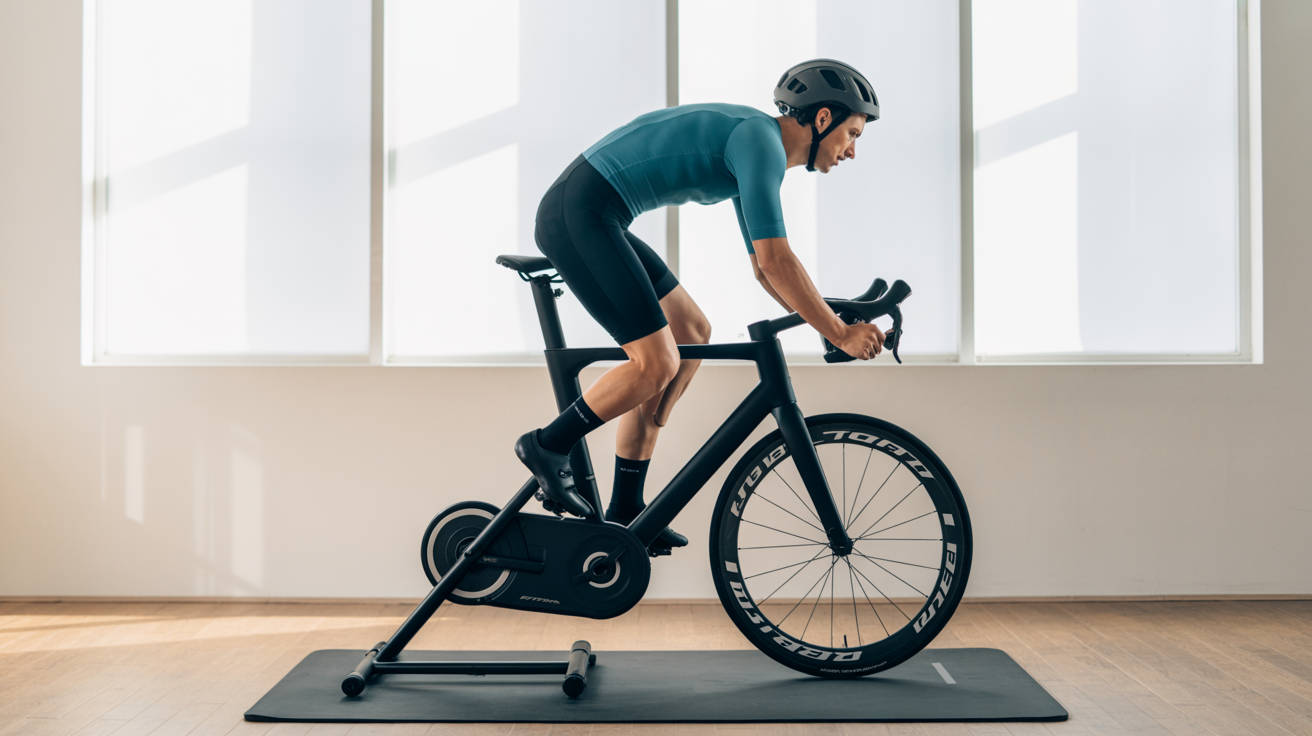
If the weather turns or your schedule gets tight, a turbo trainer lets you keep riding without leaving home. You clip your own bike onto the trainer, pedal against resistance, and get a genuine workout in the time it takes to watch half a film. This guide covers what beginners need to know before buying a trainer, how to set one up, and how to structure early sessions so they're useful rather than miserable.
What Is a Turbo Trainer?
A turbo trainer is a stationary stand that holds your rear wheel (or the rear axle) and provides resistance as you pedal. There are three main types:
Wheel-on trainers clamp around the rear dropout and press a roller against your tyre. They're the cheapest entry point. The downside is tyre wear and a bit of road noise.
Direct-drive trainers remove the rear wheel entirely. Your bike's chain attaches to a cassette built into the trainer. Road feel is better, noise is lower, and there's no tyre wear. They cost more.
Smart trainers are either wheel-on or direct-drive but include a power meter and Bluetooth/ANT+ connectivity. This means apps like Zwift, Wahoo SYSTM, or Rouvy can control the resistance automatically based on virtual terrain or your training plan.
For most beginners, a basic wheel-on trainer around $100-180 USD is a sensible first buy. If you already know you'll train indoors regularly and want to use a training app, a smart direct-drive trainer becomes worth the higher price.
Setting Up Your Trainer
A good setup makes a real difference to how sustainable indoor sessions feel.
Level your bike. Most trainers raise the rear axle slightly. Use a riser block under the front wheel to keep your body position close to what you'd have on the road.
Ventilation matters more than you think. You don't have wind cooling you down, so sweat output is significantly higher indoors than outside. A fan pointed at your face and chest makes sessions comfortable at any effort level. Without one, even a moderate effort can feel punishing.
Protect the floor. A trainer mat catches sweat (which is corrosive to wood and carpet), dampens vibration, and stops the trainer from shifting.
Noise and neighbours. Direct-drive trainers are quieter than wheel-on, but both transmit vibration through the floor. Riser blocks with vibration-damping material help if you're in a flat.
Bike fit carries over. Your saddle height, handlebar reach, and cleat position on the trainer are identical to outdoor riding. If something felt off on the road, it'll still feel off indoors.
First Sessions: Keep It Shorter Than You Think
The most common beginner mistake is going too hard too soon. Without the natural pauses of outdoor riding (descents, junctions, coasting), indoor sessions are continuous effort. That's more demanding than the same duration outside.
A reasonable starting shape for early indoor sessions:
| Week | Session Length | Format |
|---|---|---|
| 1-2 | 20-30 min | Easy spin, comfortable conversation pace |
| 3-4 | 30-40 min | Easy spin with 3-4 x 2-min slightly harder efforts |
| 5-6 | 40-50 min | Longer easy block + 2 x 8-10 min moderate effort |
At easy pace, you should be able to hold a conversation without gasping. If you can't, slow down. Keeping early sessions at low-to-moderate intensity builds aerobic capacity without digging a recovery hole.
For building a longer base, the principles in how to build cycling endurance from scratch apply directly to indoor training.
Using a Smart Trainer and Apps
Smart trainer cycling opens up structured training plans, virtual routes, and group rides, which helps with motivation during longer sessions.
Zwift is the most popular platform. It offers a virtual world where your speed and resistance respond to the on-screen terrain. There's a free trial period before you commit to the subscription.
Wahoo SYSTM (formerly Sufferfest) focuses more on structured training videos and plans. If you prefer targeted workouts over virtual riding, it suits well.
Rouvy renders real road footage with resistance matched to the gradient. Good if you want something between the two.
Before subscribing to any platform, confirm your trainer supports Bluetooth or ANT+ broadcasting, and check that the app's device pairing list includes your trainer model. Most trainers released in the last five years work fine with all three platforms.
What to Eat and Drink During Indoor Sessions
Hydration goes faster indoors. A 45-minute session at moderate effort will have you sweating noticeably more than the same ride outside. Start with at least 500ml of water on the bike and replace it during longer sessions.
For sessions under an hour at easy-to-moderate intensity, you typically don't need to eat during the ride. For longer or harder efforts, the same fuelling principles from outdoor riding apply. The guide on what to eat and drink on a bike ride covers the basics and translates directly to trainer sessions.
Turbo Trainer Maintenance
A few habits keep your gear in good shape:
- Wipe down the bike frame after each session. Sweat contains salt and will corrode metal over time.
- Check tyre pressure before wheel-on sessions. Under-inflated tyres wear faster and handle resistance less efficiently.
- Inspect the resistance unit on a wheel-on trainer every few weeks. The roller that contacts your tyre can wear, and some develop flat spots.
- On direct-drive trainers, check that the quick-release or thru-axle adapter is secure before each ride. A loose connection creates lateral movement that's unpleasant and potentially damaging to your drivetrain.
Once your fitness builds indoors, translating it to longer outdoor rides becomes the next step. How to ride your first 20 miles covers pacing and preparation for that milestone.
Frequently Asked Questions
Do I need a special tyre for a wheel-on turbo trainer?
You don't strictly need one, but trainer-specific tyres are worth considering. Standard road tyres wear faster under constant roller contact, and they can be noisier. Trainer tyres are made from a harder compound and usually cost less than a regular road tyre. If you're using the trainer occasionally, your normal tyre will last, but if you plan to train indoors regularly through winter, a dedicated tyre is a sensible swap.
Can I use any bike on a turbo trainer?
Most bikes with standard rear dropouts work on wheel-on trainers. Direct-drive trainers need an adapter matched to your axle standard (quick-release, 12mm thru-axle, etc.) and a cassette that matches your drivetrain speed. Before buying a direct-drive trainer, check the manufacturer's compatibility list for your specific bike's axle type.
How loud is a turbo trainer?
Wheel-on trainers are notably louder than direct-drive models. The roller creates a distinctive hum that carries through floors and walls. Direct-drive trainers are much quieter, with most noise coming from the chain and flywheel. Neither is silent, but a direct-drive trainer in a carpeted room at low-to-moderate cadence is unlikely to disturb neighbours directly below in a typical flat.
How often should beginners train indoors?
Two to three sessions per week works well for most beginners. Recovery between sessions matters more than total volume. A pattern of riding Monday, Wednesday, and Saturday (or similar) gives the body adequate time to adapt. Increasing session length gradually over weeks is more effective than adding more sessions.
Is indoor cycling training as effective as riding outside?
For building aerobic fitness and leg strength, indoor training is comparably effective to outdoor riding at the same effort level. You remove variables like traffic, weather, and terrain, which makes it easier to hit specific training targets consistently. The main thing it doesn't replicate well is bike handling, cornering, and the mental engagement of real terrain, which is why combining indoor and outdoor riding tends to work better than doing only one.