Cycling in the Rain: Tips for Staying Dry and Safe
Practical guide to commuting by bike in wet weather: fenders, rain gear, waterproof bags, and staying visible and safe on slick roads.
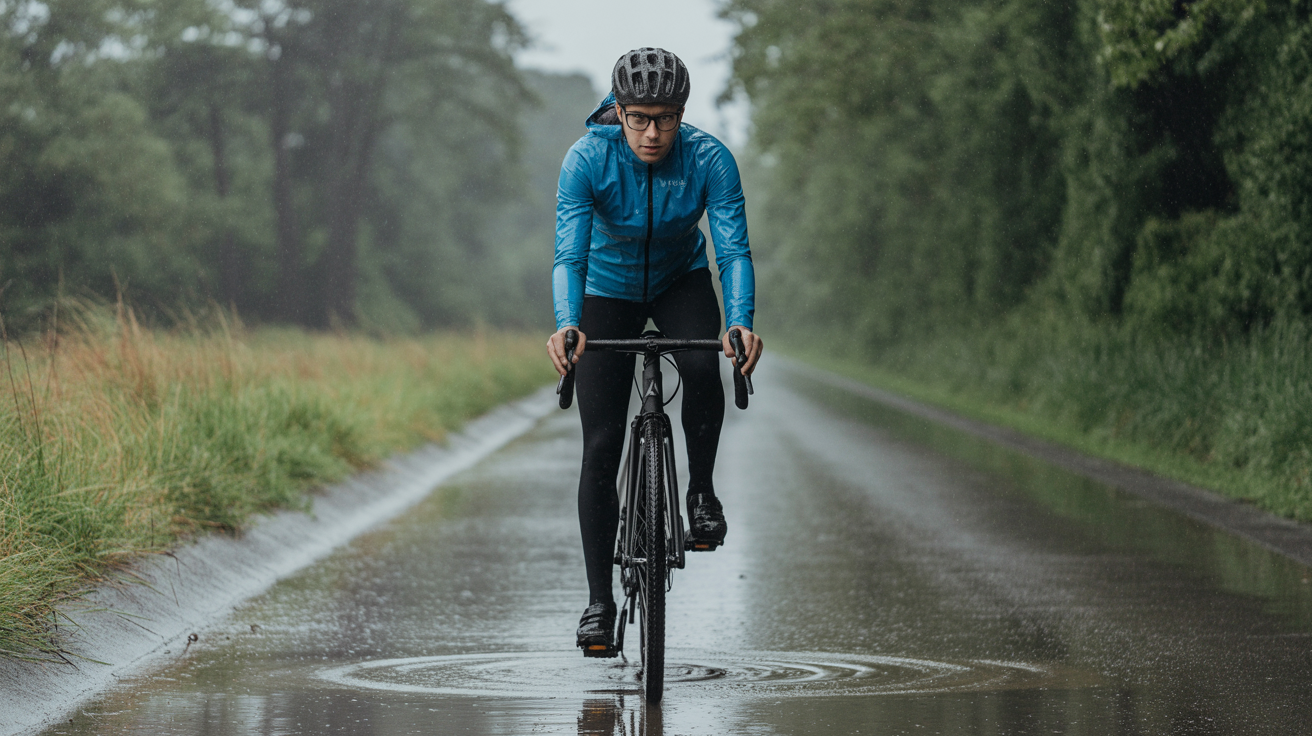
Cycling in the rain is manageable with the right setup. The key is not waterproofing yourself completely (that's nearly impossible), but controlling what gets wet, keeping your visibility high, and arriving at work in a presentable state. This guide focuses on the commuting angle: what gear to buy, how to pack, and how to ride safely on slick roads.
Fenders Are the Single Biggest Upgrade
If you commute without fenders, rain turns every puddle into a stripe of dirty water up your back. Full-coverage fenders, the kind that extend low at both ends, block most of that spray.
A few things to know when buying fenders:
- Fit matters. Fenders need to match your tire width and have enough clearance. A fender labeled "700c" fits most road and hybrid bikes, but check that the fender is at least as wide as your tire.
- Plastic fenders are lighter and cheaper. Stainless steel fenders last longer but cost more.
- Clip-on fenders work for bikes with no mounting points, though they rattle more and offer less coverage than bolt-on versions.
- Full-length vs. half mudguard. Half mudguards (the tiny plastic ones) do almost nothing for commuting. Invest in a proper full-length set.
If your bike already has fender mounts (eyelets on the fork and frame), use them. Clip-on fenders are a backup for bikes without those mounts.
Rain Gear That Actually Works for Commuting
The goal on a commute is to arrive dry enough to change quickly or, in light rain, to skip changing altogether. A few categories:
Waterproof jacket: Look for a jacket with pit zips or mesh panels so you don't overheat. Fully sealed seams are worth paying for on a proper rain jacket. Packable jackets that compress into a pocket are useful for days when you're unsure about the return trip.
Waterproof pants or overshorts: These are underrated. Rain pants that fit over work clothes and have ankle cuffs to keep them out of the chain are practical. If you run hot, waterproof shorts work in milder temperatures.
Shoe covers or waterproof shoes: Feet get wet fast. Neoprene shoe covers slip over regular cycling shoes. If you commute in regular shoes, either accept wet feet or carry a dry pair.
Gloves: Wet, cold hands make braking and signaling harder. Lightweight waterproof gloves extend your comfortable riding range into colder rain.
You don't need all of this on day one. A good jacket and fenders handle the majority of wet commutes.
Keeping Your Gear and Work Clothes Dry
Your bag situation matters as much as your clothing.
| Bag type | Rain resistance | Notes |
|---|---|---|
| Backpack with rain cover | Moderate | Cover can fly off; back stays sweaty |
| Waterproof pannier | High | Attaches to rack; back stays dry |
| Dry bag inside any bag | High | Cheap, compressible, bombproof |
| Messenger bag | Low to moderate | Depends on material; usually needs dry bag insert |
A waterproof pannier on a rear rack is the most practical setup for bike commuting. You load your work clothes, laptop, and lunch without worrying about them. You also stop carrying weight on your back, which reduces sweating.
If you already have a backpack you like, a dry bag insert for your work clothes solves most of the problem. A 10-liter dry bag holds a change of clothes and costs very little.
For more on how to carry gear without wearing a heavy pack, see the guide on how to carry stuff on your bike.
Visibility in Wet Weather
Rain reduces how far drivers can see, and wet roads reflect headlights in ways that make pedestrians and cyclists harder to spot. Your visibility setup needs to be brighter than you think.
- Front light: At minimum 200 lumens in daytime flash mode. 400+ lumens is better in heavy rain or dark overcast conditions.
- Rear light: A bright red blink is more visible in rain than a steady light. Mount it high on your seatpost or bag, not just the seatstay.
- Reflective clothing or vest: A bright yellow vest over your rain jacket adds meaningful visibility at a low cost.
- Reflective tape: A strip on your panniers or fenders costs almost nothing and helps from behind.
Rain also fogs eyewear. If you wear glasses, a cap with a short brim under your helmet keeps rain off lenses. If you don't wear glasses, the same trick keeps rain out of your eyes.
Riding Safely on Wet Roads
Wet pavement reduces traction, and a few surfaces get genuinely slippery:
- Painted lines and crosswalk markings. These are much more slippery when wet. Cross them straight, not at an angle.
- Metal surfaces. Manhole covers, grates, and rail crossings can be like ice when wet. Cross them straight and without braking.
- Leaves. Wet fallen leaves behave like mud. Avoid them when you can.
Adjust your riding:
- Brake earlier. Wet rims (for rim brake bikes) take a half-second or more to clear water before they bite. Disc brakes handle rain much better.
- Corner more slowly and more upright. Lean angle combined with slick pavement is where most rain crashes happen.
- Lower your tire pressure slightly. A few PSI less than your usual maximum gives a wider contact patch. Don't go below the minimum marked on the sidewall.
Riding in the rain is a skill you build quickly. The first few wet commutes feel uncertain; by the tenth, it feels routine.
Your Rain Commute Routine
Having a system reduces the friction of wet-day riding.
The night before: Check the forecast. If rain is likely, pack your bag with a dry set of clothes. Confirm your lights are charged.
At the office: Many commuters keep a small towel, a bike lock, and a change of shoes at their desk. Hang your wet jacket to dry rather than stuffing it in a bag.
After the ride: Wipe down your bike's drivetrain if you've been out in heavy rain. Water pushes grit into the chain and chainring. A quick wipe and re-lube every few wet rides keeps things running smoothly. See the guide on how to start bike commuting without the stress for more on building a commute routine that holds up day after day.
Route adjustments: Wet conditions are a good reason to revisit your route. Paths with good pavement, separated lanes, and fewer metal surfaces are worth a minute or two of extra travel time. The guide on how to plan a cycling route walks through how to evaluate surface conditions and traffic when mapping a commute.
Frequently Asked Questions
Do I need special tires for riding in the rain? No, but tire choice does matter. Wider tires at lower pressure give more grip. Avoid very narrow tires (23mm or less) on wet roads if you can. Some commuters run tires with a small center ridge pattern, which clears water slightly better than a completely smooth slick, but the difference is modest. Tire condition matters more: worn tires lose traction faster when wet.
How do I keep my phone or navigation dry? A waterproof phone mount with a case rated for rain works well. Alternatively, put your phone in a small ziplock or dry bag inside a jersey pocket or bag and rely on a simpler route rather than turn-by-turn navigation. Most experienced rain commuters know their route well enough not to need their phone out.
Will cycling in the rain damage my bike? Occasional wet riding won't damage a well-maintained bike. Consistent riding in rain and grit without maintenance will wear the drivetrain faster. The main tasks are wiping down and re-lubricating the chain after wet rides, and checking that your brakes are clean and working properly. Stainless steel and aluminum parts handle water fine; exposed steel (some older bolt hardware) can rust if ignored.
Is it safe to ride in a thunderstorm? Skip it if lightning is actively striking in your area. Metal and open ground are not places to be during a thunderstorm. Heavy rain without lightning is rideable; a storm with lightning is a good reason to wait it out somewhere dry, or use transit for that leg of the commute.
What if I arrive completely soaked anyway? It happens, especially on days with heavier rain than forecast or when something in your setup fails. Pack a complete change of clothes, including socks, and keep a basic toiletry kit at work if you have the space. Even a five-minute towel-dry and change makes the rest of the day comfortable. Most regular commuters have been caught out at some point and consider it part of the experience.