How to Carry Stuff on Your Bike
A practical guide to carrying cargo on your bike — racks, panniers, bags, and groceries — without losing balance or wrecking your ride.
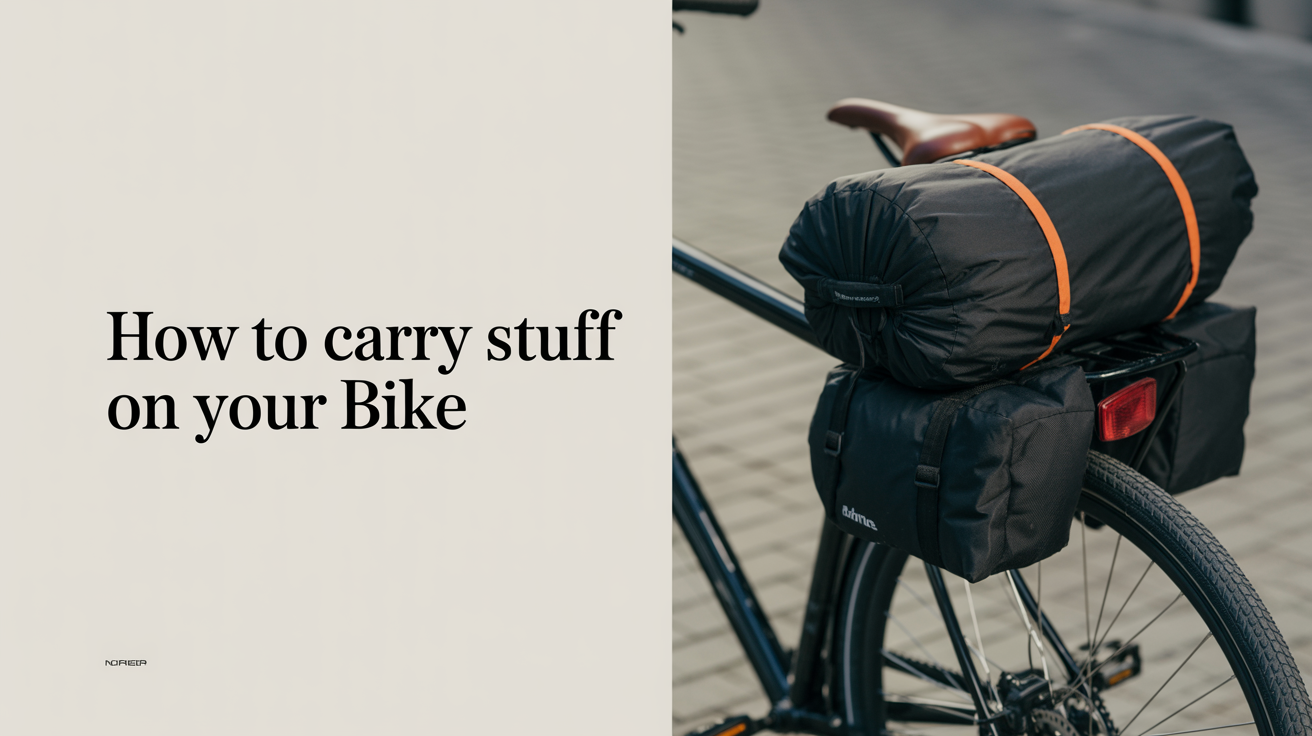
Carrying things on a bike is simpler than it looks, and the right setup makes a genuine difference to how much you enjoy the ride. The short answer: mount the weight on the bike itself rather than your body whenever possible, keep heavy items low and centered, and match your carrying system to how far and how often you're hauling.
At a Glance
- Mount weight on the bike, not your body. A rack and panniers barely register in your legs; the same load on your back tires your shoulders and raises your heart rate.
- Keep heavy items low and toward the axle. It steadies handling and helps braking.
- Rear racks handle 20 to 25 kg properly fitted; clamp-on racks (no frame eyelets) should stay closer to 10 to 12 kg.
- Balance side-to-side. An uneven pannier load pulls the bike off line.
- For groceries, keep each pannier under 8 kg; that's the point where handling stays comfortable on a loaded ride.
- Practice slow-speed handling with any new load before your first real trip. A loaded bike steers and brakes differently.
Why How You Carry Matters
A 10 kg load on your back will tire your shoulders, spike your heart rate, and make the bike feel twitchy at low speeds. The same 10 kg on a rear rack, split evenly in two panniers, barely registers in your legs and the handling stays predictable. That's not a marginal difference, it's the gap between enjoying a grocery run and dreading it.
This isn't unique to cycling. The American Academy of Orthopaedic Surgeons' backpack safety guidance points out that a heavy pack worn on the body strains the back and shoulders and can throw off posture, and its core advice, keep the load light and centered, wear both straps, is exactly why a bike-mounted rack beats a rucksack for anything you're carrying regularly.
Load placement also affects braking. Weight sitting high raises your center of gravity, so quick stops can feel unstable. Weight low and forward helps front-wheel traction. On longer rides or loaded tours, this genuinely matters for safety.
Your Main Options for Carrying Gear
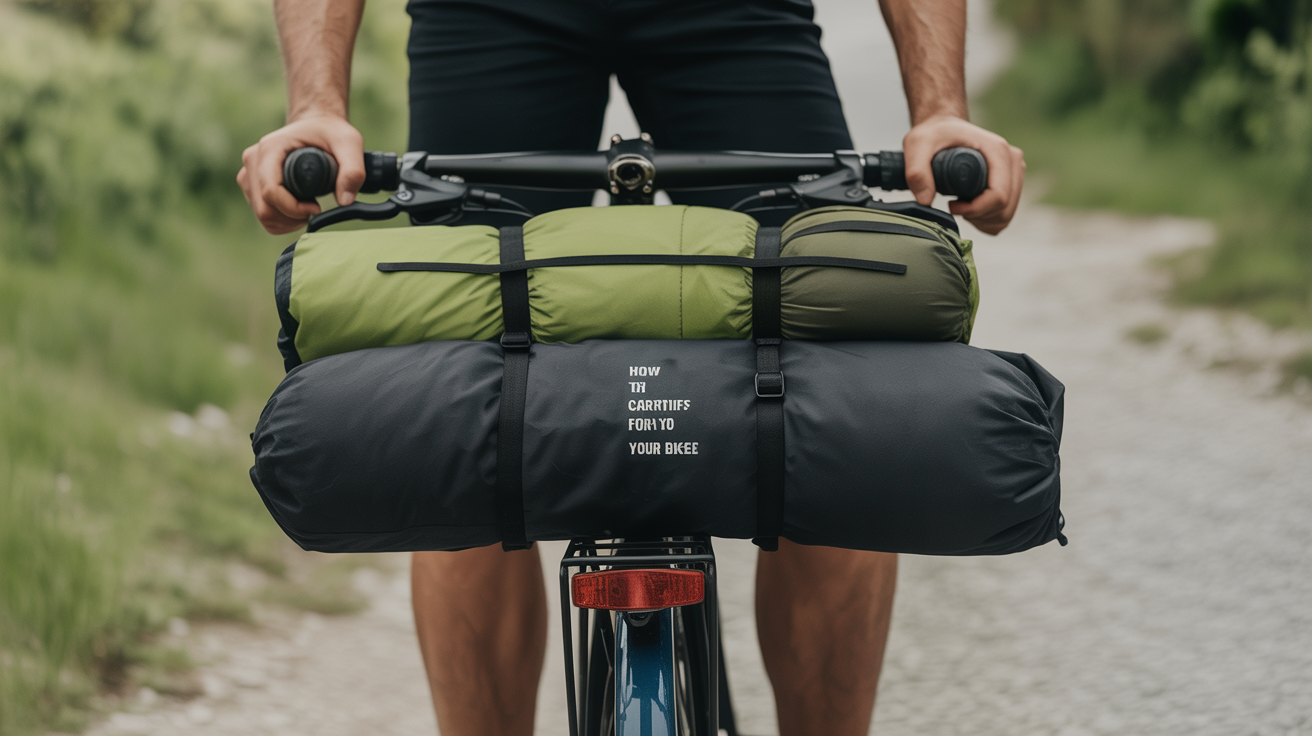
Rear Racks and Panniers
A rear rack bolted to the bike's frame is the most versatile platform for everyday carrying. It costs £20 to £50 for a solid aluminum rack, holds 20 to 25 kg when properly fitted, and lets you clip panniers on and off in seconds.
Panniers hang on either side of the rack. A single pannier holds a week's worth of lunches or a light grocery shop. Two panniers can take a full week of commuting kit or a substantial food haul. Good beginner panniers usually run £30 to £80; waterproof roll-top styles are worth a few extra pounds if you ride in rain.
Tips for rack-and-pannier setups:
- Balance the load between left and right panniers. An uneven split pulls the bike sideways and makes steering feel odd.
- Keep heavier items at the bottom of each pannier, closest to the axle.
- Use a bungee or cargo net across the top of the rack for items that don't fit inside.
- Check that the pannier clips don't interfere with your heel during the pedal stroke before you ride.
Front Racks and Bags
A front rack shifts some weight off the rear and improves handling on longer journeys. Front panniers are typically smaller (10 to 15 liter capacity) and suit lighter, bulkier items like a jacket or snacks. Handlebar bags, soft bags that attach directly to the bars, work well for a phone, wallet, and keys because they stay accessible without stopping.
One caution: a front rack changes how your bike steers, especially with weight in it. Practice slow-speed handling in a quiet car park before you head out into traffic.
Saddle Bags and Frame Bags
These don't need a rack at all, which makes them good for bikes where rack mounts aren't available (many road and hybrid bikes). Sizes range from tiny under-saddle bags (tool kit, tube, tyre levers) up to 20-liter frame bags that fill the triangle of a larger bike.
For regular commuting or grocery trips these aren't the primary solution, but a small saddle bag is worth having on every bike for puncture kit essentials.
Backpacks and Cycling-Specific Rucksacks
Backpacks are the easiest starting point because you already own one, but they have real drawbacks for regular use: your back sweats, the load shifts your center of gravity, and anything over 6 to 7 kg gets uncomfortable quickly.
If you're going to use a backpack, choose one with a sternum clip and a hip strap, they transfer weight off your shoulders and reduce sway. Cycling-specific packs often have a mesh back panel for airflow, which helps a lot in summer. Keep the total weight under 5 kg if you can.
The honest comparison: a backpack is fine for the occasional errand or a day out where you don't want to fit a rack. For a daily commute or regular grocery runs, panniers on a rack are more comfortable and actually more practical once you get used to them.
Carrying Groceries by Bike
A weekly shop by bike is completely realistic once you have the right setup. A pair of 20-liter panniers can carry 15 to 18 kg of groceries across both bags, which covers most household shops for one or two people.
What works in panniers: tins, jars, bread, dry goods, most fresh produce. Eggs travel well if you put them on top and don't sprint. Milk in a sealed carton is fine. Soft fruit bruises if buried under heavy items.
Planning helps. Check out how to plan a cycling route before your first loaded trip, a slightly longer route with fewer hills is usually worth it when the bike is heavy. Avoid tight corners or busy junctions you're not confident on when fully loaded.
Practical grocery tips:
- Use reusable bags inside your panniers to lift everything out in one go at checkout.
- Keep weight under 8 kg per pannier, that's the sweet spot where handling stays comfortable.
- Chilled or frozen items go in an insulated bag inside the pannier. You have about 45 minutes before frozen goods start to thaw.
- If your haul is too big for two panniers, a lightweight rear rack bag (also called a trunk bag) sits on top of the rack and adds another 10 to 15 liters.
A worked example: a typical weekly shop for two people, a few kilos of tins and dry goods, a loaf of bread, some fresh produce, milk, and a couple of chilled items, usually lands around 12 to 14 kg total. Split across two panniers at 6 to 7 kg each, that's comfortably under the 8 kg comfort ceiling and well within a 20 to 25 kg rack's capacity, with room to spare for a bulkier fortnightly shop.
Fitting a Rack to Your Bike
Most racks bolt to threaded eyelets on the rear dropouts and a set of braze-ons or a separate clamp near the seatstay bridge. If your frame has these mounts, fitting a rack takes about 20 minutes and basic tools.
No rear eyelets? Clamp-on racks attach to the seatstays with rubber-lined clamps. They're not as rock-solid as bolted racks, so keep the load modest (10 to 12 kg) and check the clamps haven't shifted after a few rides.
If you're unsure whether your bike can take a rack, or if you want to mount one for the first time, it's worth asking at a local bike shop. Getting the mounting angle right matters for how panniers hang, and a mechanic can spot clearance issues in about two minutes.
Quick Comparison: Carrying Options at a Glance
| Method | Capacity | Body load | Needs rack? | Best for |
|---|---|---|---|---|
| Rear panniers | 20 to 40 L / 20 to 25 kg | None | Yes | Commuting, groceries, touring |
| Front panniers | 10 to 20 L / 10 kg | None | Yes (front rack) | Longer trips, load balance |
| Handlebar bag | 5 to 15 L | None | No | Phone, snacks, small items |
| Saddle bag | 0.5 to 20 L | None | No | Tools, light overflow |
| Cycling backpack | 10 to 30 L / up to 7 kg | Shoulders/back | No | Occasional use, no rack option |
| Cargo net / bungee | Variable | None | Needs rack | Awkward shapes, quick trips |
Loading Up Safely
Before you ride with any significant load, spend five minutes on a quiet street or empty car park getting used to how the bike feels. A loaded bike steers and brakes differently, this is normal, and a brief practice session means the first corner isn't a surprise.
A few habits that prevent problems:
- Check your tyres. More weight means more rolling resistance and more heat buildup on longer descents. Because most bikes carry more weight on the rear wheel even before you add cargo, Sheldon Brown's tire reference notes that the rear tyre should typically run about 10% higher pressure than the front, a gap worth widening slightly further when the rack is loaded. Make sure your tyres are inflated to the correct pressure (printed on the sidewall) before loading, then check the rear again once the bags are on.
- Test your brakes before setting off. Give the levers a firm squeeze while stationary. With a heavy load you need more stopping distance; know this before you need it.
- Secure loose straps. Anything dangling from a bag can catch in the wheel. Double-check before you roll.
- Wear your helmet, always. A loaded bike is slightly harder to control in an emergency, so your safety margin matters more, not less.
For riding after dark with bags, reflective luggage helps a lot. Read the full guide on how to stay safe cycling at night before your first evening cargo run.
Once you have carrying sorted, you might find yourself using the bike for more trips than you expected. That's a good gateway into stress-free bike commuting, the skills and setup are nearly identical.
FAQ
Do I need to buy a special rack, or will any rack work?
Most rear racks are compatible with most bikes, but the fitting varies. The key things to check before buying: does your bike have rear dropout eyelets (threaded holes where the rack bolts in), and how much clearance is there between the tyre and the rack's underside? A rack should sit roughly level with the ground. If you're unsure, take the bike to a shop and ask them to match a rack to it. Most shops can do this in a few minutes.
How much weight can I realistically carry on a bike?
A rear rack rated to 25 kg is the practical upper limit for most everyday rides. Most people are comfortable with 10 to 15 kg once they're used to it. For grocery trips, 8 to 12 kg is a sweet spot, enough for a solid shop without the handling becoming stressful. Heavy loads on steep hills are genuinely hard work, so it's worth considering your route.
Can I carry things on a bike without any extra kit?
Yes, within limits. A lightweight jacket can be tied to the saddle rails. A small bag can hang from the handlebars, though it affects steering at slow speed. A bungee cord across the rear rack (if you have one) can secure awkward items. These are useful in a pinch, but none of them scale well. If you're carrying more than a couple of kilograms regularly, proper bags are worth the investment.
Are panniers hard to fit and remove?
Most modern panniers clip on and off in under 10 seconds once you know the mechanism. There's usually a hook on the top rail and a lower hook or rubber tensioner that grabs the bottom of the rack. You slide the pannier on from the top and it locks in place. A quick pull on a release tab removes it. After a few goes it becomes second nature.
What about carrying a laptop or other fragile items?
Laptops travel well in panniers if they're in a padded sleeve first. Road vibration is the main risk, not impacts, a bike on smooth tarmac is gentler than most public transport. Keep the laptop upright, pad it with a fleece or foam sleeve if the pannier isn't padded, and avoid putting heavy items on top of it. Many cycling commuters transport laptops daily without issue.
Will a loaded bike wear out my tyres or drivetrain faster?
A bit, yes, but not dramatically for typical commuting or grocery loads. Extra weight means more rolling resistance, so tyres wear marginally faster and the chain and cassette see more stress under load, particularly on hills. Keeping tyres at the correct pressure and your chain clean and lubed largely offsets this. Riders doing regular loaded touring, well beyond a grocery run, may see noticeably shorter component life and should budget for it.
Can I carry a child or pet as well as cargo?
That changes the equation considerably. Child seats and pet carriers have their own weight ratings and mounting requirements, and combining a child or pet with a full rack load isn't something to improvise. If you need to carry both a passenger and gear, look at purpose-built child or pet carriers rated for the combined load, and keep any additional cargo light and low rather than adding a full grocery haul on top.