Do You Really Need Padded Bike Shorts?
Padded cycling shorts can transform your comfort on the bike. Here's what the padding actually does, when it's worth buying, and how to wear them.
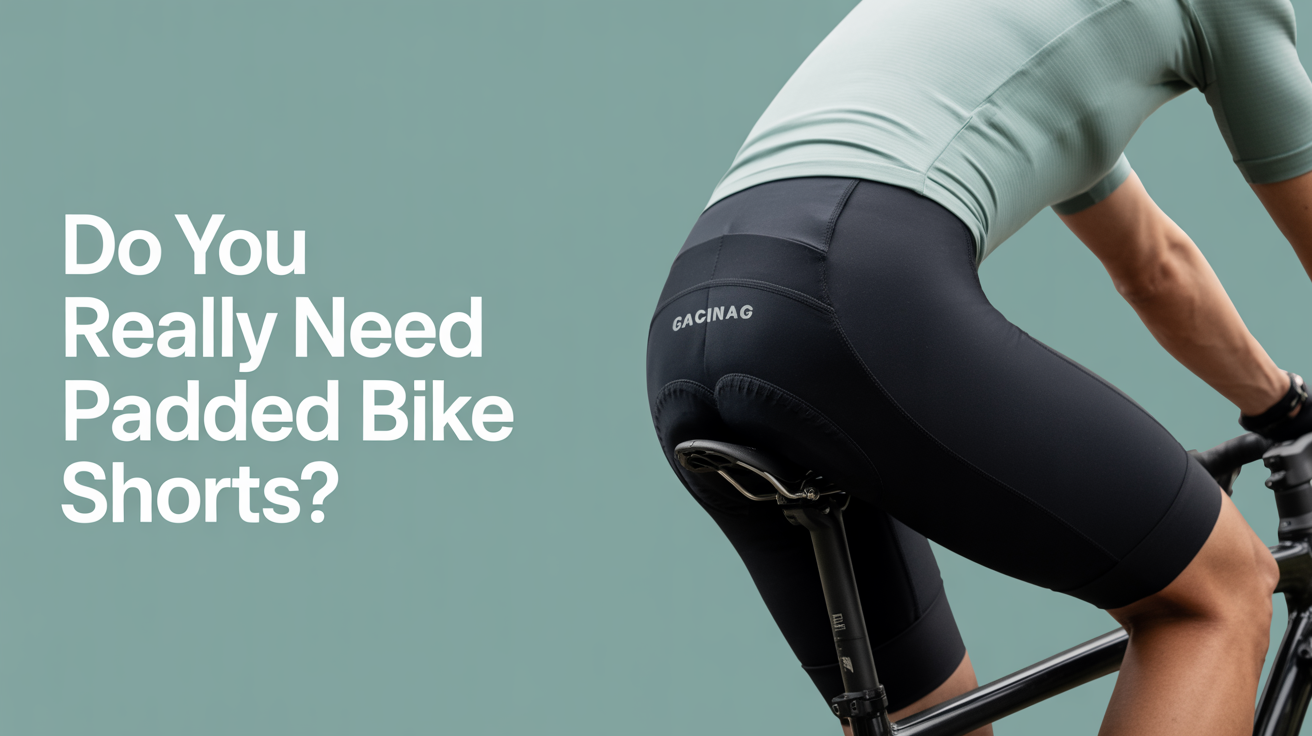
Short answer: if you're riding more than 20–30 minutes at a stretch, padded cycling shorts are probably the single piece of gear that will improve your comfort more than anything else. The padding isn't about looking the part, it's solving a real physical problem that every new cyclist runs into.
But there's nuance. The right shorts for a 45-minute commute are different from what you'd want on a 3-hour weekend ride, and plenty of beginners overspend on gear they don't need yet. This guide breaks down what the chamois actually does, when it genuinely matters, and how to get started without overthinking it.
At a Glance
- Padding matters once you're riding past roughly 20–30 minutes at a stretch; below that, almost any shorts are fine.
- The chamois solves two separate problems: pressure distribution across your sit bones and friction reduction against the fabric.
- Thicker padding is not automatically better. Very thick foam can bunch and create its own rocking discomfort.
- A mid-range chamois ($40–$80) is the right starting point for most beginners, not the cheapest or the most expensive option.
- No underwear under cycling shorts. The chamois is built to sit directly against skin.
- Wash the shorts after every ride and air dry them. Bacteria and heat both shorten the pad's usable life.
What the Padding Is Actually Doing
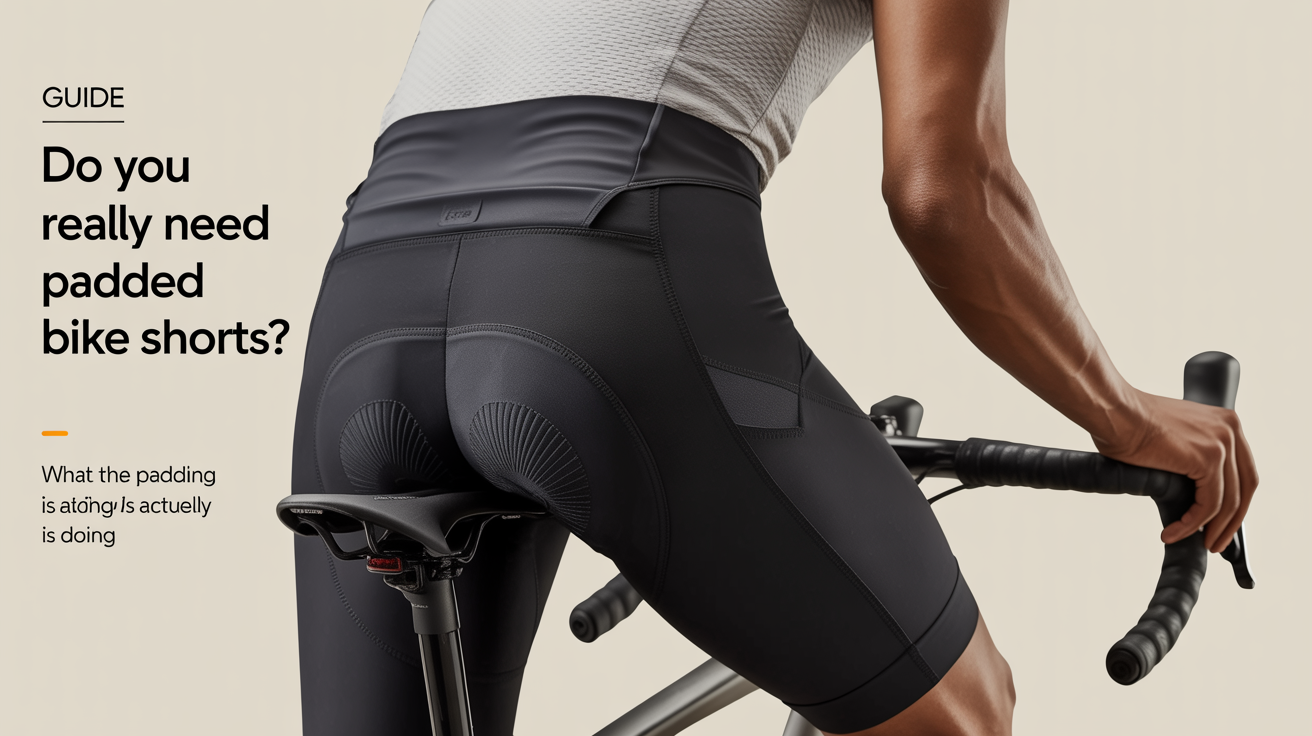
The foam or gel insert built into cycling shorts is called a chamois (pronounced "shammy"). It comes from an era when riders wore actual chamois leather, a soft, absorbent hide that cushioned the saddle contact points.
Modern chamois pads are made from multi-density foam, sometimes with gel zones added for the sit bone area. They serve two distinct functions:
- Pressure distribution. Your body weight concentrates on a surprisingly small area when you're seated on a bike saddle. The chamois spreads that load across a wider surface, reducing the intensity of pressure on any single point. A narrative review of saddle pressure research lists padded shorts among the main controllable factors, alongside saddle design, saddle height, and riding position, that determine how much pressure a cyclist's soft tissue absorbs over a ride.
- Friction reduction. Every pedal stroke involves tiny shifts in position. Without padding, fabric rubs against skin. Over 45 minutes or more, that friction causes chafing and soreness that has nothing to do with saddle fit.
What the chamois does NOT do: it doesn't make a bad saddle tolerable. If your saddle is positioned poorly or is simply wrong for your anatomy, padding will only delay the discomfort, not eliminate it. Saddle fit matters as much as the shorts themselves. Sheldon Brown's writing on saddle comfort makes a point that surprises a lot of beginners: a saddle with excessively soft, thick padding can actually increase pressure on your sit bones rather than relieve it, because the tissue sinks into the foam instead of being supported by it. The same logic applies to the chamois in your shorts.
How Thick Is the Right Chamois, By Ride Length
Thicker isn't always better. Very thick chamois pads can cause their own problems by bunching under pressure or creating a rocking motion as you pedal. Matching the chamois to how long and how often you actually ride is more useful than chasing the thickest pad you can find.
| Typical ride length | Chamois type | What it feels like |
|---|---|---|
| Under 30 minutes | Minimal or entry-level chamois | Thin, single layer, barely noticeable |
| 30–90 minutes | Medium-density, single-layer foam | Firm support without bulk |
| 90+ minutes | Multi-density foam with gel sit-bone zones | Distinct cushioning where you sit |
| 3+ hours (road/gravel) | Performance chamois, anatomically shaped | Contoured, minimal seams, built for repeated long days |
As a beginner, a mid-range chamois designed for recreational riders is the right target. You don't need a pro-level pad, and honestly, your body needs time to adapt to saddle contact regardless of how thick the padding is. Most riders need somewhere between 4 and 8 rides before the sit-bone area stops feeling tender on a new saddle-and-shorts combination; if soreness is still sharp or getting worse after that many rides, the problem is more likely fit than adaptation.
When Padded Shorts Make a Genuine Difference
The threshold most cyclists notice is somewhere around 20–30 minutes of continuous riding. Below that, almost any reasonably fitted seat and clothing will be fine. Once you go longer, the cumulative effect of pressure and friction becomes hard to ignore.
Specific situations where padded shorts pay off quickly:
- Multi-day trips or back-to-back ride days. Your skin needs time to recover from friction. Shorts with good chamois reduce the baseline damage so you're not starting day two already sore.
- Road or gravel riding on a performance saddle. These saddles are narrow and firm by design; padding elsewhere on the bike (thick gloves, bar tape) only goes so far. The shorts bridge the gap.
- Spin classes and stationary bikes. The saddles on most gym bikes are notoriously uncomfortable. Wearing your own shorts changes the experience significantly.
- Anywhere you're sweating heavily. Moisture increases friction. A chamois wicks sweat away from the skin faster than regular shorts do.
If you're doing short neighborhood rides a few times a week, you might comfortably go months without padded shorts. That's fine. Buy them when you start planning longer rides, not before.
Bib Shorts vs. Regular Cycling Shorts
Cycling shorts come in two main configurations: waistband shorts and bib shorts. Bibs have shoulder straps that run over your back, holding the shorts up without a waistband.
Regular shorts are cheaper, easier to use (no stripping off your jersey to use a restroom), and perfectly adequate for most beginners. A good elastic waistband holds them in place without digging in.
Bib shorts stay in position better during hard efforts, don't create a pressure band across your abdomen, and tend to come with better chamois construction at equivalent price points. Most committed cyclists end up preferring bibs once they try them, but they're not necessary when you're starting out.
For cycling shorts for beginners, start with a standard waistband short in a mid-range price bracket. If you get into longer or harder riding and notice the waistband slipping or irritating you, that's when bibs become worth considering.
How to Wear Bike Shorts (The Part Nobody Tells You)
There's a simple rule that trips up almost everyone new to cycling shorts: no underwear underneath. The chamois is designed to sit directly against your skin. Adding underwear creates extra seam lines, bunches the fabric, and completely defeats the purpose of the padding.
Beyond that, a few practical notes:
- Chamois cream is optional but helpful. It's an anti-friction lubricant you apply to the pad and/or your skin. Useful on longer rides or if you're prone to chafing. Not necessary every ride.
- Wash them after every ride. Bacteria thrive in the warm, moist environment of a chamois pad. Washing after each use prevents skin irritation and extends the life of the padding.
- Air dry rather than tumble drying. High heat degrades foam faster. Hang them inside out.
- Fit matters. Cycling shorts should be snug without cutting off circulation. The leg grippers should hold the shorts in place without leaving marks. If the chamois is shifting around while you ride, the shorts are too loose.
- Watch for numbness, not just soreness. Sit-bone soreness that fades within a day or two is normal adaptation. Numbness in the saddle area that lingers after you're off the bike is a sign the saddle-shorts combination is putting pressure somewhere it shouldn't, and it's worth adjusting saddle angle or trying a different saddle shape rather than just adding more padding.
See our guide on what to wear cycling in any weather for more on layering cycling shorts with other clothing through different seasons.
What to Spend: A Practical Breakdown
Padded cycling shorts range from about $25 to well over $200. Here's a realistic view of what different price points get you:
| Price range | What you typically get |
|---|---|
| $20–$40 | Basic chamois, simple construction, fine for casual riding under an hour |
| $40–$80 | Better chamois density and shape, flatlock seams, more durable fabric |
| $80–$130 | Multi-density chamois with gel zones, better moisture management, longer ride comfort |
| $130+ | Performance-level construction, anatomically mapped padding, premium fabrics |
Most beginners are well served in the $40–$80 range. You don't need to spend $150 on your first pair, but the $25 shorts often have chamois that's too thin and too stiff to make a meaningful difference.
One thing to check regardless of price: look for flatlock seams, which lie flat against the skin rather than folding over on themselves. Standard seams on cheap shorts cause chafing in a way that undermines whatever the chamois is doing.
For a full picture of what's worth buying early versus what can wait, the essential cycling gear guide for beginners puts shorts in context alongside helmets, lights, and other gear.
What If You Don't Want to Wear Lycra?
Plenty of people don't want to wear form-fitting cycling shorts, especially for commuting or casual riding. That's a completely reasonable preference, and there are options:
Baggy mountain bike shorts often have a built-in chamois liner inside a loose outer shell. You get the padding without the tight fit. They're popular with mountain bikers and increasingly common for urban riding too.
Padded cycling underwear or liner shorts can be worn under regular shorts. They look like brief-cut underwear with a chamois built in. Paired with normal clothes, they're invisible and give you most of the benefit of dedicated cycling shorts.
Padded saddle covers are a cheaper workaround but not a real substitute. They add bulk above the saddle surface and can shift position while you ride, creating new friction points. They can take the edge off an uncomfortable saddle for very short rides, but they're not solving the problem the chamois solves.
FAQ
How long do padded cycling shorts last?
With regular washing and air drying, a decent pair of cycling shorts typically holds up for 1–2 seasons of regular riding, or roughly 80–120 washes. The chamois foam breaks down with use and washing. When the padding feels flat, or you notice the seams starting to fray, or you notice increased saddle soreness on rides that used to be comfortable, it's time to replace them.
Can I wear padded shorts on a stationary bike or spin bike?
Yes, and it's often worthwhile. Gym stationary bikes tend to have uncomfortable saddles, and the same principles apply: the chamois reduces pressure and friction regardless of whether you're moving or not. Bibs can be awkward for spin classes where you're frequently getting on and off the bike; regular shorts are more convenient there.
Do I need cycling shorts for short rides?
If you're riding 20 minutes or less, you probably don't need them. Regular athletic shorts or comfortable pants work fine for short distances. The benefit of a chamois accumulates over time on the bike; it's most noticeable once you're past the 30-minute mark and riding regularly.
Should I size up in cycling shorts?
Cycling shorts are generally sized to fit snugly. Check the manufacturer's size chart and measure your waist and hips rather than guessing based on your regular clothing size. If you're between sizes, go with the larger option for the waistband fit, but make sure the leg grippers aren't so loose that the shorts ride up. A proper fit means the chamois doesn't shift when you're moving on the bike.
What's the difference between men's and women's cycling shorts?
The main difference is in the chamois shape. Women's chamois pads are shaped differently to account for sit bone width differences and anatomy, which research on saddle pressure has repeatedly identified as a real factor in perineal comfort, not a marketing distinction. Men's and women's shorts also differ in the cut of the waistband and leg length in some designs. If a brand offers gender-specific sizing, use it. If you're buying something unisex, look for a chamois designed to be anatomically neutral.
Do padded shorts actually prevent long-term saddle-related discomfort?
They reduce the two mechanical causes of short-term soreness, pressure and friction, but they can't fully offset a saddle that's the wrong width or angle for your anatomy. If you're still getting numbness or persistent discomfort after a proper break-in period on good shorts, the next step is usually adjusting saddle position or trying a different saddle width, not buying a thicker chamois.
Pedal Primer is an independent resource. We're not affiliated with or sponsored by any gear brand or retailer. Always wear a properly fitted helmet, follow local traffic laws, and have any safety-critical repairs checked by a qualified mechanic.