What to Wear Cycling in Any Weather
A practical guide to cycling clothes for beginners—what to wear in summer, cold weather, and rain so you can ride comfortably year-round.
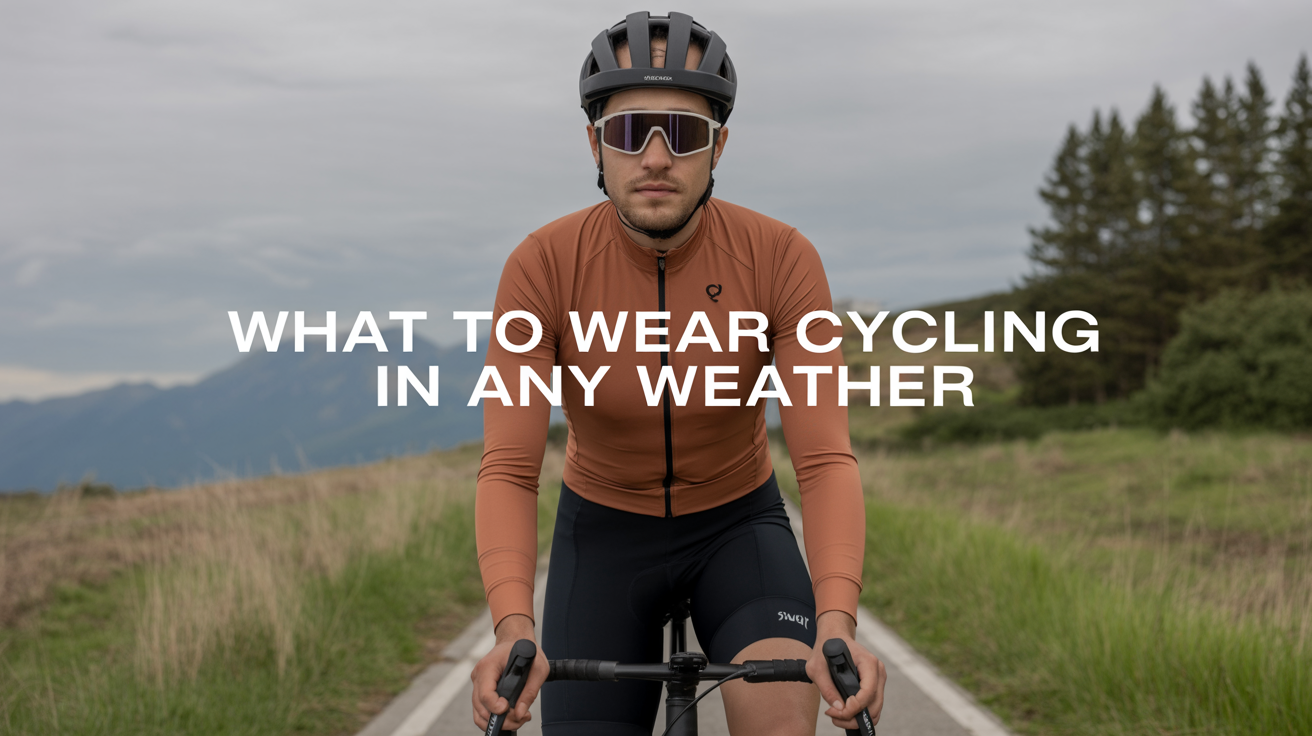
You don't need a wardrobe full of spandex to ride a bike. For most beginners, a few versatile pieces cover every forecast, and the choices get much easier once you understand what problems each layer is solving.
The core goal is simple: stay comfortable enough to focus on riding, not on your clothes. That means managing temperature, wind, and moisture. Once you see it that way, choosing what to wear becomes straightforward.
The Non-Negotiable: A Properly Fitted Helmet
Before anything else, a helmet. Not just any helmet sitting loosely on your head, a helmet that actually fits correctly. This is the one item where there's no workaround. Helmets absorb impact force during a crash, and they can only do that job if they're snug, level, and buckled properly.
Beyond the helmet, everything else is about comfort. Here's how to dress for any conditions.
Warm Weather and Summer Cycling
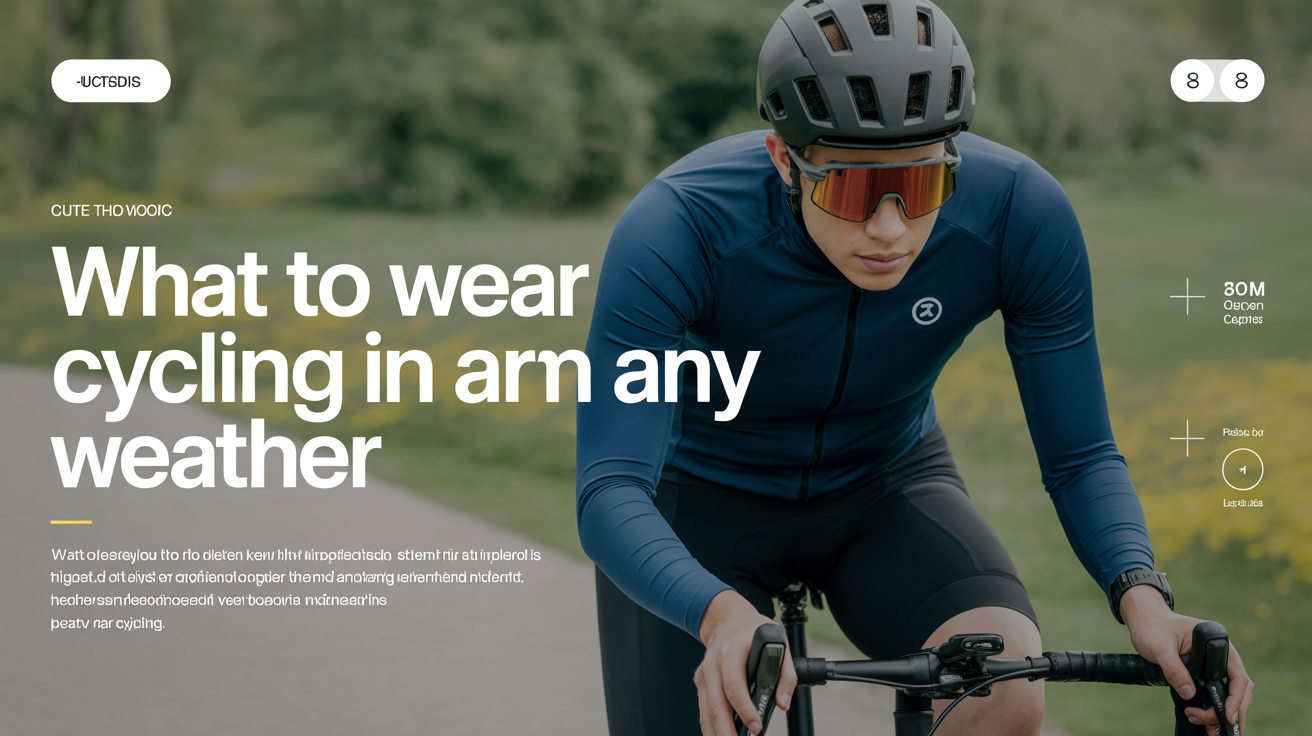
Riding in heat is mostly about keeping sweat from becoming a problem. Cotton holds moisture against your skin and stays wet, which makes you feel heavy and chafed on longer rides. Synthetic fabrics (polyester, nylon) or merino wool move moisture away from your body and dry faster.
A summer cycling kit doesn't have to be expensive or skin-tight. Plenty of recreational cyclists ride comfortably in lightweight athletic shorts and a moisture-wicking t-shirt. The upgrade that makes the biggest practical difference is padded shorts, more on that below.
What to focus on for hot rides
- Moisture-wicking fabric: Any athletic shirt labeled "quick-dry" or "moisture-wicking" works. You don't need a cycling-specific jersey unless you want the back pockets.
- Shorts length and fit: Anything that doesn't bunch or ride up. Avoid denim, it chafes and takes forever to dry if you sweat through it.
- Light colors: Dark fabrics absorb heat. Light gray, pale blue, or white keep you noticeably cooler in direct sun.
- Sun protection: If you're riding more than 45 minutes, sunscreen on your arms, neck, and the back of your hands matters more than clothing choice. A lightweight long-sleeved UV shirt is another option for longer summer rides.
- Sunglasses: Keeps bugs, wind, and glare out of your eyes. Regular sunglasses work fine.
One thing many beginners skip: gloves. In summer, fingerless cycling gloves pad the heel of your hand where you grip the bar, which prevents numbness on rides over 30 minutes. They also protect your palms if you put a hand down in a fall. Not mandatory, but cheap and useful.
Cold Weather Cycling: The Layering System
Cycling in cold weather is very manageable once you understand that your body generates a significant amount of heat while pedaling. Most beginners overdress and end up sweaty and uncomfortable within ten minutes. The fix is layers you can adjust, not a single heavy jacket.
The three-layer approach
Base layer (next to skin): A thin moisture-wicking layer that pulls sweat away. Merino wool is excellent here because it regulates temperature across a wide range and doesn't smell after repeated use. Synthetic base layers work too and cost less.
Mid layer (insulation): A light fleece or thermal cycling jersey adds warmth without bulk. This is the layer you'll unzip or remove if you warm up mid-ride.
Outer layer (wind and water): Wind is the biggest heat drain on a bike. A lightweight windproof jacket, even a packable running jacket, makes a dramatic difference on descents and headwinds. If rain is possible, a waterproof shell is worth carrying even if you don't start in rain.
Cold weather specifics
Hands and feet get cold first. Your extremities take the worst of the wind chill, especially on descents. Insulated cycling gloves or light ski gloves solve the hand problem quickly. For feet, wool socks plus wind-blocking overshoes (neoprene booties that slip over cycling shoes) are the answer. If you're in regular sneakers, a wool or thermal sock is usually enough down to about 45°F (7°C).
Head under the helmet: A thin cycling cap or ear-covering headband fits under most helmets without changing the fit significantly. Your ears are usually the first thing to get painfully cold.
Temperature guidelines (approximate):
| Temperature | Typical setup |
|---|---|
| Above 65°F (18°C) | Jersey or t-shirt, shorts |
| 50–65°F (10–18°C) | Long-sleeve jersey or light arm warmers, shorts or knee warmers |
| 40–50°F (4–10°C) | Thermal jersey, tights or bib tights, light gloves, ear covering |
| Below 40°F (4°C) | Base layer + insulating mid layer + windproof shell, insulated gloves, full tights, overshoes |
These are starting points. If you run hot, subtract about 10°F from the triggers. If you tend to get cold quickly, add 10°F.
Riding in Rain
Rain riding has a reputation worse than the reality. A few targeted items make it genuinely pleasant.
Waterproof jacket: A cycling-specific waterproof jacket is cut longer in the back (to cover you when you're leaning forward over the bars) and has taped seams. A hiking rain jacket works fine if that's what you have.
Fenders: Not clothing, but the single biggest quality-of-life upgrade for wet riding. Fenders stop road spray from soaking your back and coating your face in road grime. If you ride in rain more than occasionally, fenders matter more than any clothing choice.
Waterproof socks or overshoes: Regular socks will soak through in minutes. Neoprene overshoes or waterproof wool socks keep your feet tolerable on wet days.
What to skip: Full waterproof pants are usually overkill for cycling. Your legs generate enough heat that light tights or even shorts stay comfortable in moderate rain. Waterproof tights are available if you need them, but most riders skip them.
One safety note: wet roads reduce braking distance significantly. Build in more stopping distance than you think you need, especially on descents and at intersections. Wet metal surfaces (grates, painted lines, tram tracks) are especially slippery.
The One Upgrade That Changes Everything: Padded Shorts
If there's a single piece of cycling-specific clothing worth buying first, it's padded shorts. The chamois (the foam or gel pad sewn into cycling shorts) cushions the sit bones and reduces friction over distance. Even a mid-range pair transforms rides over 45 minutes.
The thing most beginners don't know: you wear padded shorts with nothing underneath. Wearing underwear underneath defeats the purpose and creates additional seams in the wrong places. The shorts are worn directly against skin.
For more detail on what's actually worth buying versus what can wait, the guide to essential cycling gear for beginners covers the full picture. And if you're on the fence about padded shorts specifically, there's a dedicated breakdown of whether you actually need padded bike shorts worth reading before you buy.
What to Skip as a Beginner
A lot of cycling clothing exists for competitive cyclists doing 100-mile rides in groups. You don't need it.
Things you can skip:
- Clipless cycling shoes and shoe covers (regular sneakers are fine to start)
- Aerodynamic skinsuits
- Compression socks (they help during long efforts but aren't necessary)
- High-end bib tights in the $200+ range
- Cycling-specific rain pants
Things worth having eventually:
- Padded shorts (sooner rather than later)
- A wind jacket (packable, lightweight, fits in a jersey pocket or bag)
- Gloves (fingerless for summer, insulated for cool weather)
- A helmet that actually fits
Start with what you have and add specific items as you identify the problems they'd solve. Most beginners discover padded shorts and a wind jacket first, and those two additions cover 80% of riding conditions.
FAQ
Do I need to wear spandex to ride a bike?
No. Spandex cycling kits exist because they reduce aerodynamic drag and eliminate fabric that bunches on the saddle, but neither of those things matters much at casual riding speeds. Athletic shorts, moisture-wicking shirts, and regular sneakers work well for most recreational riders. The main functional upgrade worth making early is padded shorts, which are available in non-spandex "baggy" styles with a liner inside.
How do I know if I'm dressed warmly enough for a cold ride?
A useful rule: if you feel slightly cool when you start pedaling, your clothing is probably right. You'll warm up within 5–10 minutes. If you feel comfortable or warm while standing still before the ride, you'll likely overheat. Cold-weather cycling generates more body heat than most people expect.
Can I wear regular jeans or cotton pants cycling?
For short, flat rides under 20 minutes, cotton pants are fine. For anything longer, cotton becomes a problem, it holds moisture, doesn't breathe, and the inseam seam sits exactly where you don't want friction. Jeans are especially stiff and restrictive for pedaling. If you don't want cycling shorts, any athletic or stretchy trouser works better than denim.
What should I wear cycling in light rain?
A waterproof or water-resistant jacket, your normal shorts or tights, and wool or neoprene-covered shoes. Light rain doesn't require full waterproof coverage over your legs, your body heat keeps them comfortable even when damp. The key is keeping your core dry and your hands protected so you can brake safely.
Is high-visibility clothing necessary?
It's genuinely useful whenever you're riding near traffic, especially at dawn, dusk, or in overcast conditions. A bright yellow or orange jacket or vest makes you dramatically more visible to drivers. You don't need to wear it on every trail ride, but for road and mixed riding it's one of the easiest safety improvements available. Front and rear lights are equally important and often required by law, check local rules.