How to Clean and Lube Your Bike Chain
Learn how to clean and lube your bike chain in under 20 minutes with basic supplies. Keep your drivetrain quiet and your shifting crisp.
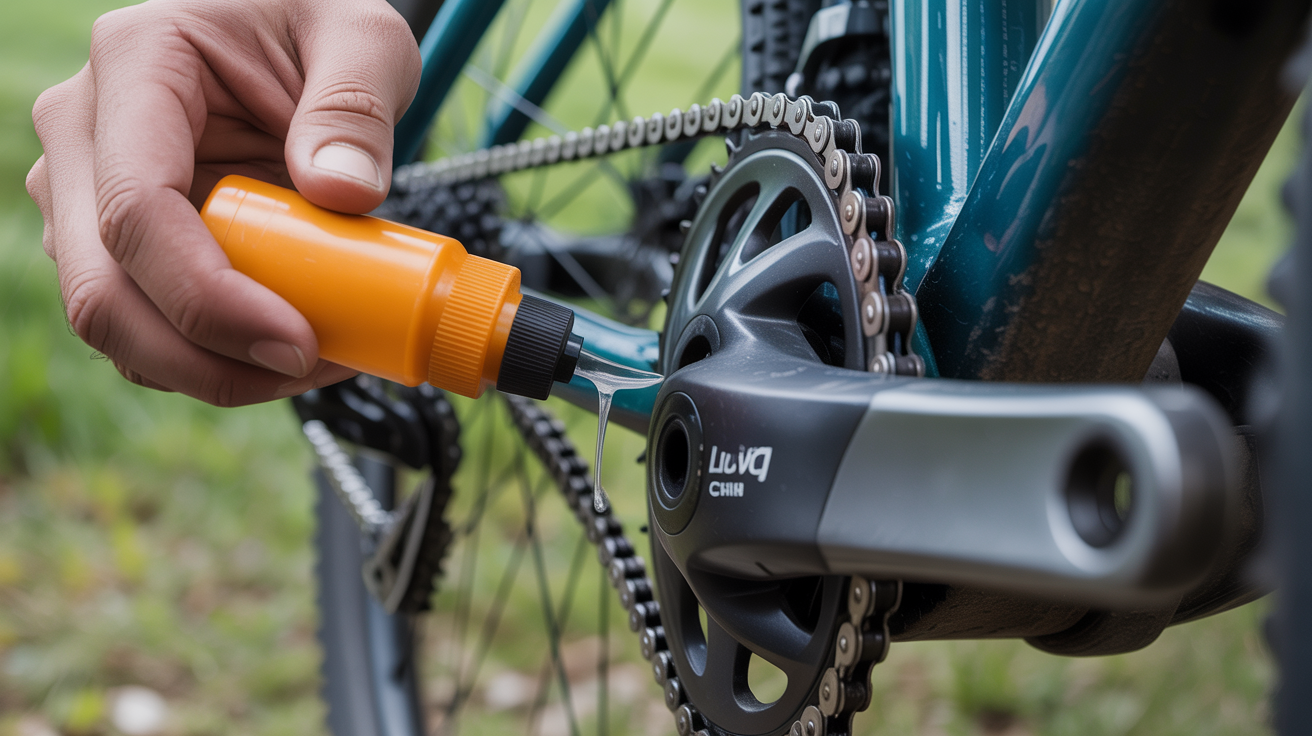
A dirty, dry chain is the number-one reason beginner bikes feel sluggish and sound terrible. Cleaning and lubing your chain takes about 15 minutes with supplies that cost less than a coffee, and it's the single highest-return maintenance task you can do between rides.
You don't need a workshop or any special skills. If you can wipe down a countertop, you can maintain a bike chain.
Why Chain Maintenance Actually Matters
Every time you pedal, your chain flexes through dozens of tiny pivot points. Grit from the road works its way into those pivots and acts like sandpaper, grinding away metal from your chain, cassette, and chainring. A neglected chain can wear through a cassette in a single season. Replace a chain every few months for around $15, and your cassette (which costs $40–150) lasts two to three times as long.
Beyond cost, a clean chain shifts more smoothly and quietly. That grinding, skipping feeling when you change gears? Often it disappears after a proper clean and lube.
Aim to clean your chain every 150–200 miles, or any time it looks dark and gunky. After a wet or muddy ride, do it immediately.
What You'll Need
You can do a basic chain clean with things you probably already own:
- Degreaser — dish soap works in a pinch, but a bike-specific degreaser (like Simple Green diluted 1:1, or a citrus degreaser) cuts through grease faster and rinses cleaner
- Chain lube — more on this below; don't skip it
- Two old rags or shop towels — one for cleaning, one for drying
- A stiff brush or an old toothbrush
- A bucket of warm water
Optional but genuinely useful: a chain cleaning device. These plastic gadgets clip onto the chain, hold degreaser, and spin it through scrubbing brushes as you backpedal. They run $10–20 and make the job faster and less messy.
You do NOT need to remove the chain for a routine clean. That's worth doing once a year or before a major overhaul, but for regular upkeep, cleaning it on the bike is fine.
How to Clean a Bike Chain: Step by Step
1. Set Up Your Bike
Put the bike in a work stand if you have one. If not, flip it upside down onto the handlebars and seat, or lean it against a wall where you can reach the drivetrain. Shift into the middle chainring and a middle cog so the chain runs in a relatively straight line.
2. Apply Degreaser
If you're using a chain cleaning device, fill it with degreaser, clip it onto the lower run of chain, and backpedal for 20–30 seconds. The brushes inside scrub the links as the chain passes through.
Without a device, drip or spray degreaser onto the chain while slowly backpedaling. Let it soak for two to three minutes so it can break down the grease.
3. Scrub
Use your brush to scrub the chain on all sides: top, bottom, and both inner plates. Work from the front of the drivetrain toward the back. Don't neglect the cassette sprockets and the chainring teeth, where gunk accumulates in the valleys between teeth.
4. Rinse
Rinse with warm water. A gentle stream from a water bottle or a low-pressure hose works fine. Avoid blasting water directly into wheel bearings or the bottom bracket. The chain itself can handle water no problem.
5. Dry
Wipe the chain down firmly with a clean rag while backpedaling. Get as much moisture off as you can. Then leave the bike for 10–15 minutes, or use a second dry rag to speed things along. The chain needs to be dry before you apply lube, otherwise the lube won't stick.
6. Lube and Wipe
See the section below for choosing the right lube. Once you have it, apply one drop per link to the inner plates (where the chain rollers are), backpedaling slowly as you go. Complete one full rotation of the chain, so every link gets a drop.
Then immediately wipe off the excess with a rag. This is the step most beginners skip. Lube sitting on the outside of the chain attracts dirt and undoes your work. You want it inside the rollers, not coating the outside.
Choosing the Right Chain Lube
"Best chain lube" is genuinely context-dependent, and any honest answer involves asking where and how you ride.
Wet Lube
Wet lubes are thicker and stickier. They hold up through rain and mud and don't wash off mid-ride. The tradeoff is that they attract more grit in dry conditions and require more frequent cleaning.
Best for: rainy climates, off-road riding, winter commuters.
Dry Lube
Dry lubes (often wax-based) go on wet but dry to a thin, almost powdery film. They stay cleaner in dry conditions because dirt doesn't stick to them easily. They do need reapplication more often, roughly every 100–150 miles.
Best for: dry climates, fair-weather riding, road cyclists who hate a dirty drivetrain.
All-Season / General Purpose Lube
If you just want one bottle for everything, look for a mid-weight "all-condition" lube. It won't be perfect in either extreme, but it does fine for most casual riding.
What you want to avoid: WD-40 (it's a water displacer and solvent, not a lubricant, and it evaporates quickly), motor oil (too heavy, traps grit), and cooking spray (yes, people try it). Any dedicated bike chain lube from a cycling or hardware store will outperform these improvised options.
How Often Should You Lube?
A simple rule: lube when the chain starts to sound dry and scratchy, or every 100–200 miles, whichever comes first. After a wet ride, let the chain dry, then relube even if you just did it. Water flushes lube out of the rollers faster than you'd think.
If your chain is making noise immediately after lubing and wiping, that usually means you didn't get the chain clean enough first, and old contaminated lube is still in there. Another full clean-and-lube cycle will sort it.
Fitting Chain Care Into Your Routine
A good habit is to do a quick visual check before each ride. Look at the chain from above as you backpedal. If it looks dark brown or black and feels stiff, it needs attention before you go out.
A full clean takes 15–20 minutes start to finish. A quick relube (no cleaning, just wipe and apply) takes under five minutes. Many riders do a quick relube weekly and a full clean monthly, adjusting based on how much they ride and what conditions they ride in.
Pairing chain maintenance with a pre-ride safety check means you're also checking your brakes, tires, and contact points at the same time. It's easy to build both into the same 10-minute slot before a ride.
While you have the bike in your work area, it's also a good time to check tire pressure. A few minutes of prep prevents a lot of problems on the road.
What a Worn Chain Looks Like (and When to Replace It)
Even with regular maintenance, chains stretch over time. A stretched chain skips under hard pedaling and accelerates cassette wear. You can check chain stretch with a chain wear indicator tool, which costs about $8 at any bike shop. Most mechanics suggest replacing the chain when wear hits 0.5% (marked on most indicators), before it chews up your cassette.
If your chain is visibly rusted, has stiff links that don't flex smoothly, or skips even after cleaning and lubing, it's time for a new one. A local bike shop can install a new chain in minutes and check the rest of your drivetrain at the same time. For anything involving brakes or structural components, having a qualified mechanic take a look is always worth the extra step. (Chain and lube swaps are beginner-friendly; brake adjustments and wheel truing are best left to someone with proper training and tools until you've built more experience.)
Knowing how to handle a flat tire is another core skill to have in your toolkit alongside chain care, since both situations can strand you mid-ride if you're not prepared.
FAQ
How do I know if my bike chain is too dirty to just relube?
If you run a clean rag along the chain and it comes away black or dark brown, the chain needs a full clean before lubing. Adding fresh lube on top of old, contaminated lube just mixes the two and doesn't improve anything. A good rule: if you can't see the silver of the metal through the grime, clean first.
Can I use WD-40 on my bike chain?
Not as a lubricant. WD-40 is useful for displacing water off a soaking-wet chain right after a ride, but it evaporates quickly and leaves nothing behind to protect the metal. If you spray it on, follow up with actual chain lube once the chain dries. Using WD-40 as your only chain treatment will leave your chain dry and accelerate wear.
How many drops of lube should I use per link?
One drop per link, applied to the inner roller. You don't need to flood the chain. More isn't better here. Excess lube on the outside of the chain just picks up road grit and turns into an abrasive paste.
Does it matter which direction I apply lube?
Apply lube while backpedaling (rotating the chain backward). This lets you apply consistently as the chain passes a fixed point, so you can count links and ensure every one gets a drop. After applying, let it sit for a minute, then wipe off the excess while backpedaling again.
My chain is shiny after lubing but still makes noise. What's wrong?
A few possibilities: the chain wasn't fully dry when you lubed (water in the rollers prevents lube from seating), the chain is worn and needs replacing, or the cassette or chainring teeth are worn and no amount of lube will fix that. If a fresh clean-and-lube doesn't quiet things down after a few miles of riding, take the bike to a shop for a drivetrain assessment.