How to Choose Your First Bike: A Beginner's Guide
Not sure how to choose a bike for beginners? This plain-English guide covers bike types, sizing, budget, and what to skip.
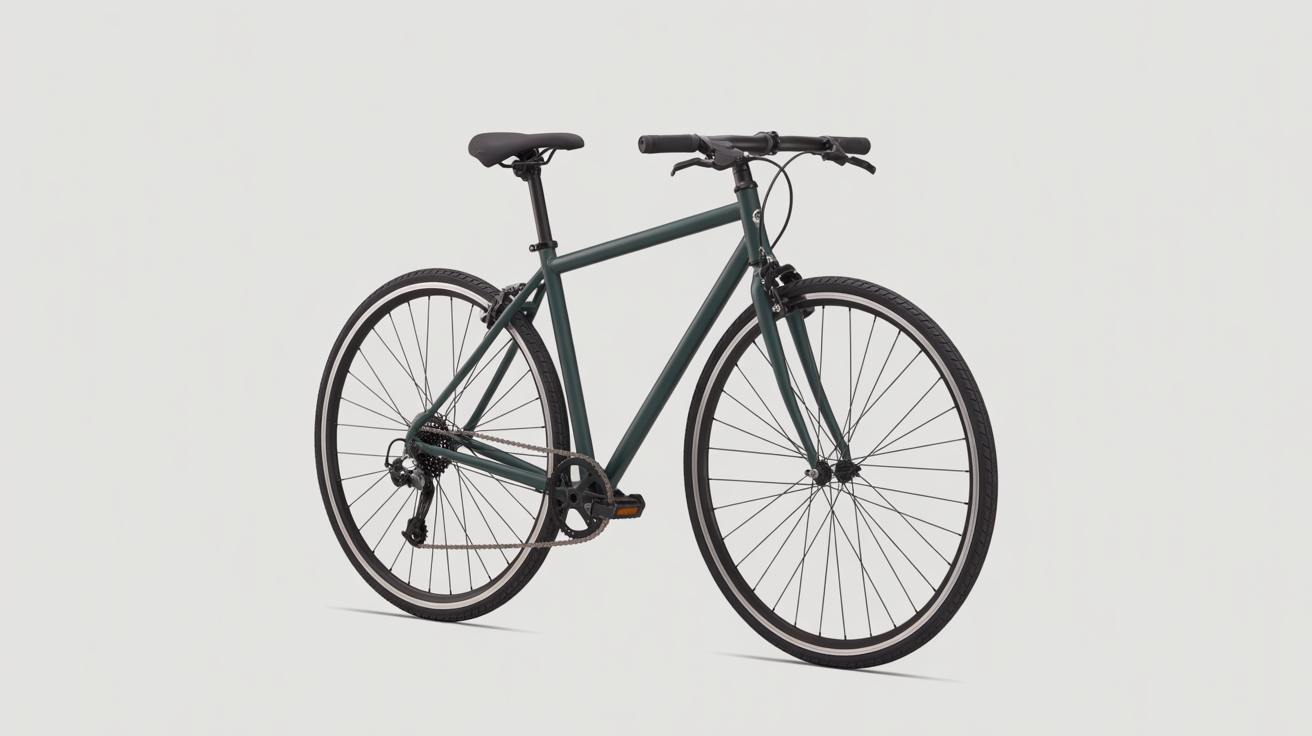
Picking your first bike doesn't need to be complicated. The short answer: figure out where you'll ride most often, get a size that fits you, and spend enough to avoid a bike that fights you every mile. The longer answer is below.
This guide walks through everything that actually matters when buying your first bike, so you can skip the showroom confusion and roll away confident.
Start With Where You'll Actually Ride
Before you look at prices or colors, be honest about your riding terrain. That single question narrows your options faster than any spec sheet.
If you picture yourself on paved roads, bike paths, or a mix of both, a hybrid bike or road bike will suit you well. If you live near trails or unpaved surfaces, a mountain bike makes more sense. And if you want one bike that handles both paved paths and light gravel, a gravel bike sits somewhere between the two.
For most beginners riding around town or on bike paths, a hybrid is the sweet spot. It sits upright for comfort, handles pavement confidently, and doesn't punish you on the occasional rough patch. You don't need a full road bike's aggressive geometry or a mountain bike's chunky tires for that kind of riding.
For a deeper breakdown of each category, including what each handles best and what it doesn't, see our guide on road, hybrid, gravel, and mountain bike types.
How Much Should You Spend?
The honest range for a decent first bike is $400 to $900, depending on bike type and where you buy.
Below $300, you're mostly looking at department-store bikes. These are assembled at low margins, often with heavier components that make pedaling feel sluggish and brakes that need more force than they should. They're not unrideable, but many beginners get discouraged and quit before they realize it's the bike, not them.
Here's a rough guide by category:
| Bike Type | Entry-Level Sweet Spot | What You Get |
|---|---|---|
| Hybrid | $450–$700 | Reliable shifting, decent brakes, manageable weight |
| Road bike | $600–$900 | Lighter frame, faster rolling tires, drop bars |
| Mountain bike (hardtail) | $500–$800 | Front suspension, knobby tires, flat bars |
| Gravel bike | $700–$1,000 | Drop bars, wider tire clearance, versatile geometry |
Buying used is a legitimate option. A $600 used bike from a local shop or cycling classifieds often beats a $600 new bike. Just have a mechanic look it over before you commit, especially checking the brakes, drivetrain wear, and frame for cracks near the welds.
Get the Size Right
A bike that fits wrong will make every ride uncomfortable, and no amount of adjustment fixes a frame that's the wrong size for your body.
Frame size is typically described in centimeters (road and hybrid) or S/M/L/XL (mountain). These labels vary by brand, which is why you should always cross-reference with your inseam measurement, not just your height.
A basic check: stand over the top tube in flat shoes. On a road or hybrid bike, you want 1–2 inches of clearance. On a mountain bike, aim for 2–4 inches. If you're straddling the bike and the tube is pressing into you, the frame is too big.
From there, saddle height is the most important adjustment. Set it so your knee has a slight bend (not fully locked) when your heel rests on the pedal at the bottom of the stroke. Our guide on what size bike you need covers this in more detail, including a tape-measure method you can do at home.
Test Ride Before You Buy
If at all possible, ride the bike before purchasing. Even a lap around a parking lot tells you a lot: does the reach feel stretched or cramped? Are the brakes easy to squeeze? Does it feel like you're fighting the handlebars or working with them?
Online retailers often have return windows, but shipping a bike back is a hassle. Local bike shops let you test ride, and that alone is worth the slightly higher price you might pay there compared to online.
Key Components to Check
You don't need to know every part on a bike, but a few things are worth looking at when comparing options.
Brakes
Rim brakes (pads press against the wheel rim) are reliable and easy to maintain. Disc brakes (caliper grabs a rotor mounted to the hub) give more stopping power in wet conditions. For casual riding, either works fine. If you ride in rain or on descents, disc brakes are worth paying for.
Gears
More gears don't always mean better. A 7-speed hybrid is plenty for flat to moderately hilly terrain. An 8- or 9-speed setup gives you finer increments for hills. What matters more than gear count is whether the shifters feel positive and the derailleur indexes cleanly. Test the shifting during your test ride.
Tires
Narrow tires (25–28mm) roll fast on smooth pavement. Wider tires (35–45mm) absorb more road buzz and handle rough surfaces better. Hybrids typically come with 35–42mm tires, which is a good general-purpose width for most beginners.
New vs. Used vs. Local Shop vs. Online
Each buying channel has real trade-offs.
Local bike shop (LBS): Higher prices on average, but you get expert fitting advice, test rides, and usually some level of post-purchase support (adjustments, tune-ups). For a first bike, this is often worth it.
Online retailers: Lower prices, wider selection. Bikes arrive partially assembled and need some setup work. If you're not comfortable with basic assembly or can't find a local shop to assist, factor in a $50–80 professional assembly fee.
Big-box stores: Cheapest upfront but bikes often have quality-control issues and heavier components. Usable for very casual riding, but you'll likely outgrow the bike quickly or deal with mechanical frustrations.
Used market: Great value if you know what to look for. Stick to bikes from individuals selling on cycling forums or from local shops that refurbish trade-ins. Avoid bikes with unknown history from general marketplaces if you can't inspect them first.
What to Skip on Your First Bike
A few things that tempt beginners but rarely add value:
- Full suspension mountain bike: The rear shock adds weight and cost and is genuinely useful for aggressive trail riding. For a beginner on easy trails, a hardtail (front suspension only) is lighter, simpler, and cheaper.
- Carbon fiber frame: Reserve this for when you know you love cycling and ride enough miles to notice the weight difference.
- Electronic shifting: Mechanical shifting works great and doesn't require charging. Electronic is a luxury, not a necessity.
- Clip-in pedals at first: Learn to ride confidently on flat pedals. Clipless systems are great eventually, but they add a learning curve to an already-new experience.
Once you're riding regularly and know what bothers you about your current setup, you'll have a much clearer picture of what upgrades are actually worth making.
Before Your First Ride: The Non-Negotiables
Once you have your bike, a few things matter before you head out.
Helmet: Wear one every time, properly fitted (level on your head, two fingers above your eyebrows, straps forming a V below each ear, buckle snug). A helmet that doesn't fit right doesn't protect you the way it should.
Saddle height: This is the single adjustment that makes the biggest difference in comfort and efficiency. See our detailed guide on how to set your saddle height to get it dialed in properly.
Brake check: Squeeze both levers before every ride. The pads should engage well before the lever reaches the handlebar. If not, have a mechanic adjust them before riding.
Tire pressure: Check with a gauge (not by feel). Road tires typically run 80–100 PSI, hybrid tires 50–70 PSI, mountain tires 25–35 PSI. Under-inflated tires increase rolling resistance and pinch-flat risk.
Know your local traffic laws before riding on roads. In most places that means stopping at red lights, signaling turns, and riding with traffic, not against it.
FAQ
How much should I realistically spend on a first bike?
For a reliable first bike that won't frustrate you, plan on $450–$700 for a hybrid or entry-level mountain bike. You can spend less, but below $350 new, quality control becomes inconsistent and the components often feel sluggish. Buying used in the $300–$500 range from a reputable source can be a smart move.
Is a 21-speed bike better than a 7-speed?
Not necessarily. More gears means finer steps between ratios, which can be useful on varied terrain. But 7-speed bikes are simpler to maintain and shift fine for most beginners riding relatively flat terrain. The quality of the shifters and derailleur matters more than the gear count.
Should I buy from a local shop or online?
For a first bike, a local shop usually wins. The ability to test ride, get a proper fit recommendation, and have post-purchase support is worth the small price premium. If you go online, add a professional assembly fee to your budget and make sure the retailer has a reasonable return policy.
What size bike do I need?
It depends on your height and inseam. Manufacturers publish size charts, but frame geometry varies by brand, so the same height can call for different sizes depending on the make. The most reliable check is straddling the frame and confirming clearance over the top tube, then test riding to see if the reach and handlebar height feel comfortable.
Do I need a road bike or will a hybrid work?
For most beginners, a hybrid is the better starting point. Road bikes are faster on pavement but use drop handlebars that take adjustment time, have narrower tires that are unforgiving on rough surfaces, and reward an efficient pedaling form that you develop over time. A hybrid gives you a comfortable, upright position and handles the varied surfaces most beginners actually encounter.