What Size Bike Do I Need? A Simple Fit Guide
Find your correct bike size fast. Learn how to measure yourself, read a bike size chart, and spot the right frame before you buy.
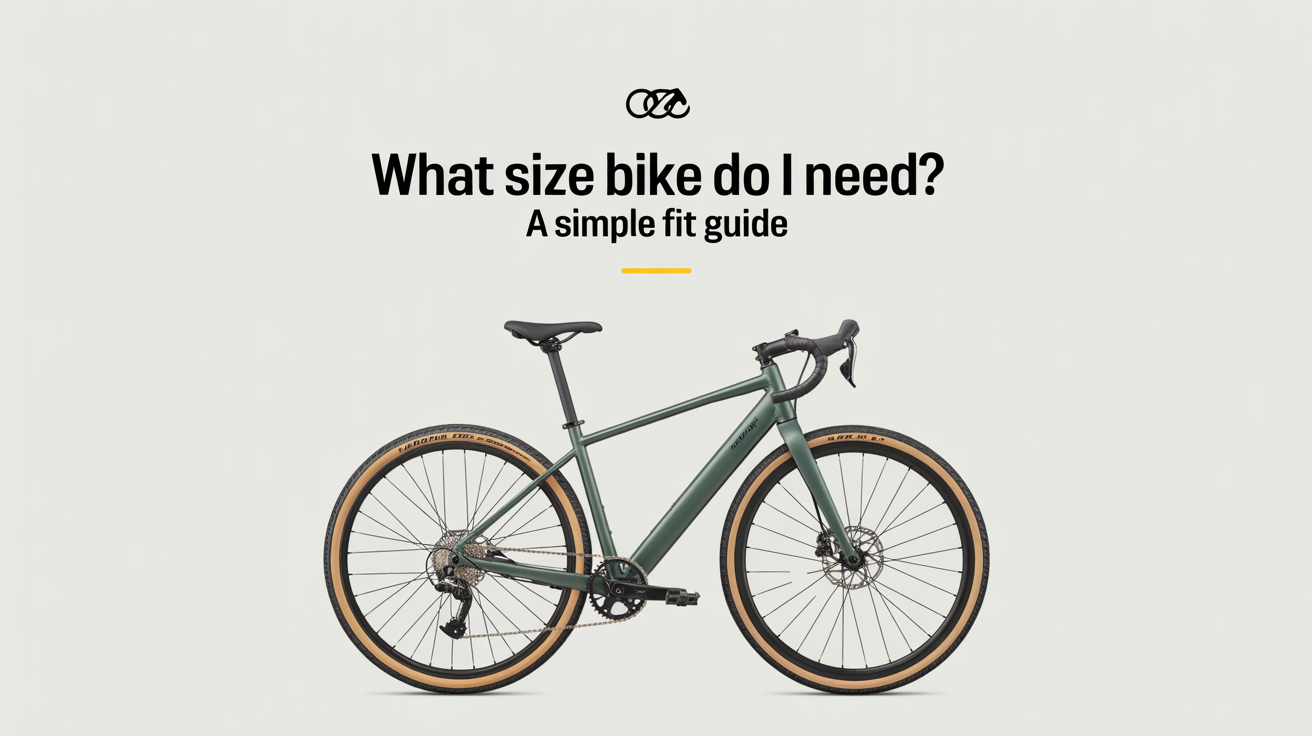
Getting the wrong size bike is one of the most common beginner mistakes, and it's easy to fix before you spend any money. Measure your height and inseam, match those numbers to the size charts below, then do a quick stand-over check at the shop, that combination gets most riders into a correctly fitting frame on the first try.
Why Bike Size Matters More Than You'd Think
A bike that's too big forces you to reach and strain your lower back on every ride. One that's too small cramps your legs and makes steering twitchy. Neither is comfortable, and discomfort over a few hours turns into a reason to stop riding altogether.
Frame size also affects control. On a properly fitted bike your elbows have a slight bend when your hands are on the bars, your knee is almost fully extended at the bottom of each pedal stroke, and you can stand flat-footed over the top tube with an inch or two of clearance. Those three points form the foundation of a safe, efficient riding position.
Take These Two Measurements Before You Look at a Single Bike
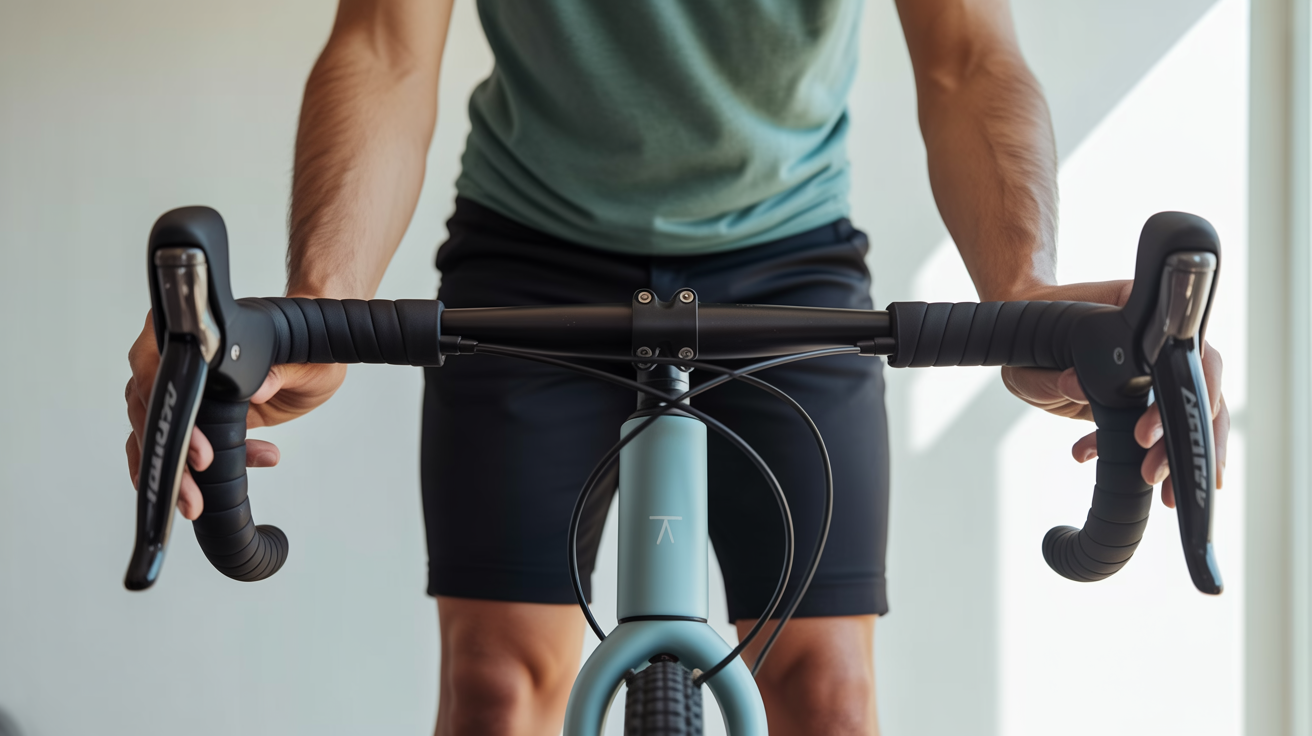
You need two numbers: your height and your inseam. Both matter, but inseam is the more useful of the two because it directly determines how much standover clearance you'll have.
Height: Stand in bare feet, back against a wall, and measure to the top of your head. Have someone help if you can.
Inseam: Stand with your back against a wall, feet about six inches apart. Hold a hardcover book spine-up firmly into your crotch (it simulates the saddle). Measure from the top of the book to the floor. Write this number down, you'll use it repeatedly.
Most riders are surprised to find their inseam is shorter than they expected. A 5'10" person might have a 29-inch inseam or a 34-inch one. Both are common, and they'll land you in different frame sizes.
Bike Size Charts by Type
Frame sizes are labeled differently depending on the type of bike. Road bikes use centimetres; mountain bikes and hybrids traditionally use small/medium/large or inches. Here's a practical reference:
Road and Hybrid Bikes (cm frame size)
| Rider Height | Inseam | Frame Size |
|---|---|---|
| 5'0"–5'3" | 25"–27" | 47–49 cm (XS) |
| 5'3"–5'6" | 27"–29" | 50–52 cm (S) |
| 5'6"–5'9" | 29"–31" | 53–55 cm (M) |
| 5'9"–6'0" | 31"–33" | 56–58 cm (M/L) |
| 6'0"–6'3" | 33"–35" | 59–61 cm (L) |
| 6'3"+ | 35"+ | 62–64 cm (XL) |
Mountain Bikes (S/M/L sizing)
| Rider Height | Frame Size |
|---|---|
| Under 5'4" | XS or S |
| 5'4"–5'7" | S |
| 5'7"–5'10" | M |
| 5'10"–6'1" | M or L |
| 6'1"–6'4" | L |
| 6'4"+ | XL |
These ranges overlap at the edges intentionally. If you land between sizes, your riding style and body proportions decide the call (more on that below).
How to Read a Bike Size Chart the Right Way
Size charts give you a starting bracket, not a final answer. Two things will push you toward the larger or smaller end of your range:
Torso and arm length: Some riders have a longer torso relative to their legs. If that's you, you may need a larger frame (or a longer stem) to avoid feeling crunched. If your torso is short relative to your inseam, a smaller frame might actually fit better despite what height alone suggests.
Riding style and flexibility: Riders who want a more upright, relaxed position, common for commuting or casual rides, often do well in the middle or slightly smaller frame for their height range. Riders who want a more aggressive, forward-leaning position sometimes prefer a longer top tube, which means sizing up.
Before committing, read our guide to choosing your first bike for context on how frame geometry varies by style, since a comfort hybrid and a road bike sized "medium" have very different frame geometry.
The Stand-Over and Reach Test (Do This at the Shop)
No chart replaces the physical test. When you straddle a bike and stand flat-footed, you want:
- Road or hybrid: 1–2 inches of clearance between the top tube and your crotch
- Mountain bike: 2–4 inches of clearance (more, because you'll be dismounting over rough terrain)
Next, sit on the saddle with your heel on the pedal at its lowest point. Your leg should be fully extended with no rocking in your hips. If your hips rock to reach the pedal, the saddle is too high or the frame is too large. If your knee is still noticeably bent at the bottom, it's likely too small.
Then grip the handlebars in your normal riding position. Elbows should have a slight, relaxed bend, not locked out straight, not pressed into your chest. Your back should be comfortable without feeling folded in half.
Saddle height can be fine-tuned after purchase, and our detailed walkthrough on setting your saddle height correctly covers that process step by step. But if the frame size is wrong, no saddle adjustment will fix it.
Between Sizes: Which Way Should You Go?
If your measurements put you squarely between two frame sizes, here's a practical way to decide:
- Go smaller if you want easier handling, a more upright position, or you're buying a mountain bike for technical trails (smaller bikes are more nimble)
- Go larger if you want more stability at speed, plan to put on miles, or you have a longer torso that needs more reach
- Go smaller if you're buying your first bike and aren't sure of your preferences, it's easier to adapt to a slightly small frame than to wrestle a too-large one
One thing to avoid: choosing a frame size based on how it looks. Taller riders sometimes reach for a larger frame because it looks proportional, even when it's actually too big. Fit is function, not aesthetics.
Kids' Bike Sizing Works Differently
Kids' bikes are sized by wheel diameter, not frame size. The fit principle is the same, enough standover clearance and a slight bend in the knee at the bottom of the pedal stroke, but the reference numbers shift:
| Child's Height | Wheel Size |
|---|---|
| 2'10"–3'4" (toddler) | 12" |
| 3'4"–3'9" | 14" |
| 3'7"–4'0" | 16" |
| 4'0"–4'5" | 20" |
| 4'5"–4'9" | 24" |
| 4'9"+ | 26" adult |
For kids, it's better to size right rather than buy a bike they'll "grow into." A bike that's too big is hard to control and can discourage young riders before they've had a chance to enjoy it.
A Note on Safety and Getting Help
Once you've found a frame that fits, have the shop confirm the fit and make sure the brakes are adjusted correctly before you ride. A bike that's the right size but has poorly adjusted brakes or a wobbly stem is still a safety risk. Helmets should be fitted separately, a correctly sized bike doesn't mean your head protection fits.
If you're still working out what type of bike suits your riding plans, the breakdown of road, hybrid, gravel, and mountain bikes covers the geometry differences that affect sizing choices.
FAQ
Can I just go by height alone when picking a bike size?
Height is a reasonable starting point, but inseam is more accurate for standover clearance, and torso length affects reach. If you can only measure one thing, measure your inseam. If you're buying in person, always do the stand-over test before committing.
What if the bike feels right in the shop but uncomfortable after a longer ride?
Short test rides don't reveal everything. Discomfort after 30–60 minutes is usually a saddle height or saddle position issue rather than frame size. Start with saddle height adjustments. If the problems persist after that, a bike fit session with a shop mechanic can identify whether you need a different frame, a different stem length, or just minor position tweaks.
Is it better to buy a slightly smaller or slightly larger frame if I'm between sizes?
For most beginners, slightly smaller is the safer choice. Smaller frames are easier to maneuver, easier to get on and off, and give you more clearance if you need to stop suddenly. A longer stem or adjustable handlebar post can compensate for extra reach. Going too large is harder to fix without swapping components.
Do bike sizes vary between brands?
Yes, and sometimes significantly. A "medium" from one manufacturer might be a 54 cm frame; from another it might be 56 cm. Always check the specific brand's size chart and the actual frame dimensions (seat tube length, top tube length, reach) rather than relying on the size label. Most brands publish these numbers on their websites.
How do I measure bike size on a bike I already own?
Measure the seat tube length: from the center of the bottom bracket (the axle where the pedals attach) to the top of the seat tube. On most bikes this is either where the seat tube meets the top tube or the top of the seat collar. This gives you the frame size in centimetres for road/hybrid bikes, or helps you match it to an S/M/L chart for mountain bikes.