How to Wash Your Bike the Right Way
A practical guide to cleaning a bike at home, including what to use, what to avoid, and how to keep your drivetrain in good shape.
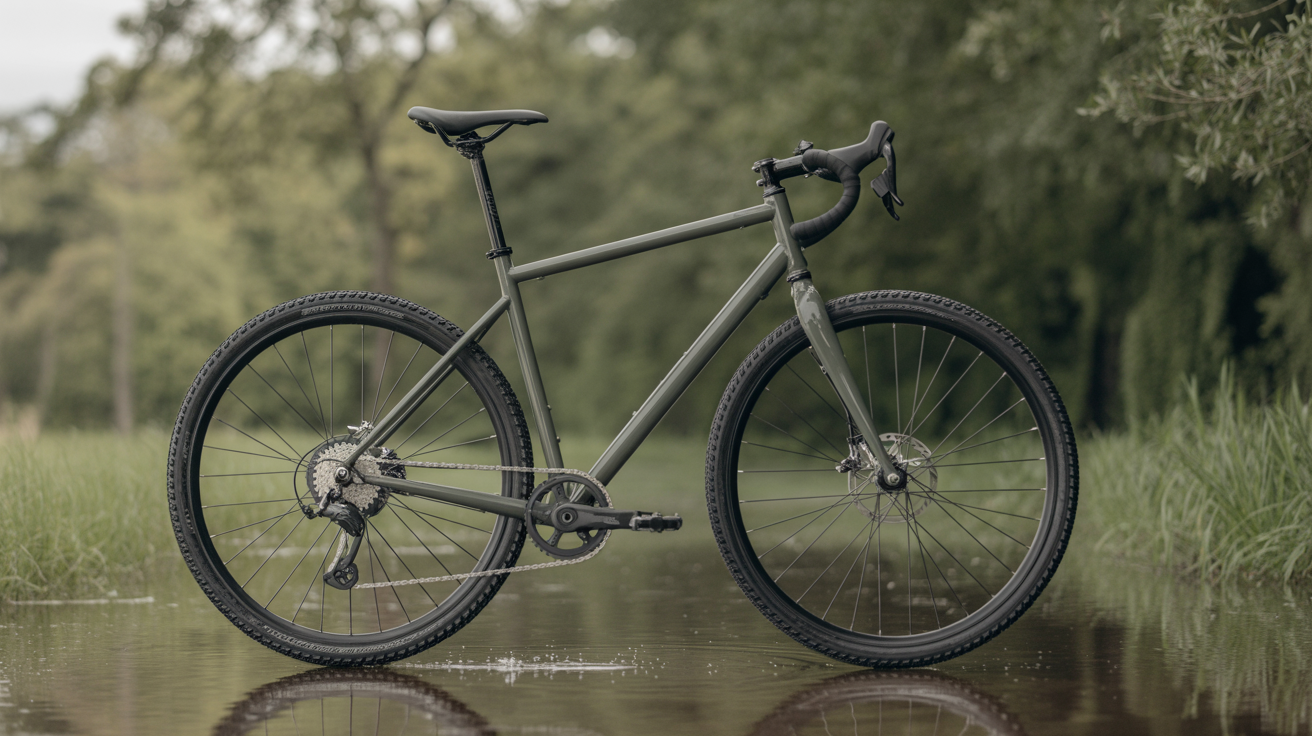
A clean bike runs better and lasts longer. Dirt, grit, and dried mud work their way into bearings, cables, and the drivetrain, wearing things down faster than riding alone ever would. The good news is that a basic wash takes about 20 minutes and requires nothing fancy.
Here is how to do it properly.
What You Need Before You Start
You do not need a professional setup. Most of this you already own.
- A bucket of warm water
- A few drops of dish soap
- Two or three old rags or cloths
- A soft-bristle brush (an old toothbrush works for tight spots)
- A sponge or car wash mitt
- A hose or second bucket of clean water for rinsing
- Bike-specific degreaser for the chain and cassette
- Chain lube (applied after the wash, once everything is dry)
Avoid pressure washers. The high-pressure stream forces water past seals into the bottom bracket, headset, and wheel hubs, which accelerates corrosion. A garden hose on a gentle setting is fine.
Rinse Off the Loose Dirt First
Before scrubbing anything, rinse the whole frame with water. This removes loose dirt and grit so you are not dragging abrasive particles across the paint when you wash.
Work top to bottom: start at the frame and bars, then move down to the wheels. Let the water run off freely. If you are working indoors or without a hose, a damp cloth wiped over the frame handles this step.
Wash the Frame, Wheels, and Brakes
Mix a small amount of dish soap into your bucket of water. Using a sponge or cloth, wipe down the frame, fork, handlebars, stem, seatpost, and saddle. Pay attention to the underside of the downtube and the chainstays behind the bottom bracket, where mud and road grit collect.
For the wheels, scrub the rims and spokes with a cloth or soft brush. If you ride a bike with rim brakes, check the brake track (the flat surface on the rim where the pads contact). A buildup of rubber and grime there reduces braking performance. A cloth dampened with a little degreaser cleans it quickly.
Rinse everything with clean water once you have washed it. Soap left on rubber seals or cables can dry them out over time.
Clean the Drivetrain Separately
The drivetrain (chain, cassette, chainrings, and derailleur pulleys) collects the most grime and needs a different approach from the rest of the bike.
Apply degreaser directly to the chain and let it sit for a minute or two. Then scrub with a brush, working the degreaser into the links. Move to the cassette (the cluster of sprockets on the rear wheel) and the chainrings at the front. An old toothbrush reaches between the individual cogs on the cassette without much effort.
Rinse thoroughly. Any degreaser left behind will attack your fresh chain lube the moment you apply it.
For a deeper clean of the chain specifically, see the full guide on how to clean and lube your bike chain.
Dry the Bike and Lube the Chain
Once you have rinsed everything, dry the frame with a clean cloth. Leave the bike upright or prop it against a wall so water drains away from the bottom bracket and headset.
Give it 10 to 15 minutes before lubing the chain. Applying lube to a wet chain dilutes it immediately and reduces how well it protects the metal.
When the chain is dry, apply a small drop of lube to each link while turning the pedals slowly backward. Let it soak in for a minute, then wipe off any excess with a rag. Excess lube attracts dirt faster than a clean chain does.
How Often Should You Wash Your Bike
There is no fixed schedule. Use the condition of your drivetrain as your guide.
| Riding condition | Suggested wash frequency |
|---|---|
| Dry roads or trails | Every 4-6 rides or once a month |
| Light rain or damp roads | After each wet ride |
| Mud, deep puddles, or gravel | Same day if possible |
| Stored indoors between rides | Before a longer ride or race |
A quick wipe-down of the frame and a chain-lube refresh between full washes keeps things tidy without the full 20-minute process.
Once you are comfortable with basic cleaning, it is also worth checking your tire pressure before each ride, since cleaning is a natural time to look your bike over.
Frequently Asked Questions
Can I use a pressure washer on my bike? Not recommended. Pressure washers push water past the bearing seals in your wheels, bottom bracket, and headset. Once water gets in there, it displaces grease and the bearings corrode. A regular hose on a low-pressure setting does the same job without the damage.
What soap is safe to use on a bike? Mild dish soap works well for the frame, wheels, and components. Avoid anything with strong solvents, citrus degreasers on rubber seals, or bleach-based cleaners. For the drivetrain, use a dedicated bike degreaser rather than household cleaners.
Do I need to remove the wheels to wash my bike? No. You can clean a bike thoroughly with the wheels on. Removing them can make the cassette and brake rotors slightly easier to scrub, but it is not necessary for a routine wash.
How do I know if my chain needs replacing after cleaning? A clean chain is a good time to check for wear. If you have a chain checker tool, insert it into the links: if it fits with the pin fully seated, the chain is worn and should be replaced. A worn chain accelerates wear on the cassette and chainrings, so catching it early saves money. If you have been dealing with flat tires alongside your maintenance routine, the guide on how to fix a flat bike tire step by step covers that process from start to finish.
Can I wash my bike in cold weather? Yes. Cold water cleans just as well as warm. The main thing to do after washing in cold weather is dry the bike more thoroughly before storing it, since water in cable housing and metal components takes longer to evaporate and can cause corrosion if the bike sits wet for a long time.