New to Cycling? Here's What to Expect in Your First Month
Starting cycling? Here's an honest look at what your first month really feels like, what to work on, and how to build a habit that sticks.
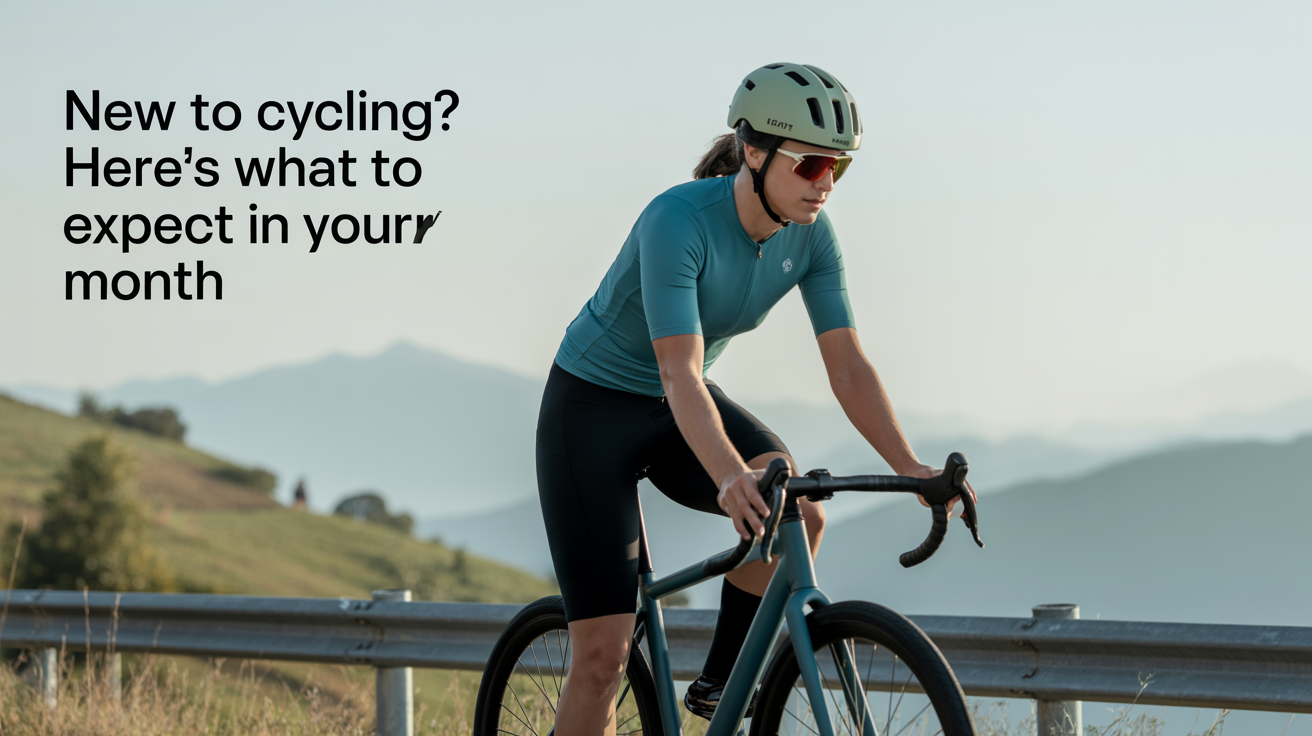
Your first month of cycling will be a mix of small wins and honest surprises. You will feel stronger than you expected on some rides and more worn out than you planned on others. That is completely normal. This guide walks you through what actually happens during those first four weeks so you can set realistic expectations, stay safe, and keep showing up.
What the First Rides Actually Feel Like
Most new riders are surprised by how quickly they get tired. Even a 20-minute ride on flat ground can leave your legs burning and your heart rate high. A few things are happening at once: your cardiovascular system is adapting, your muscles are recruiting fibers they haven't used much, and your body is still figuring out how to pedal efficiently.
The good news is that this improves fast. Riders commonly notice a real difference between week one and week three. Your legs stop complaining quite as loudly, and you start to settle into a rhythm.
A few things that catch beginners off guard:
- Saddle discomfort. Your sit bones need time to adapt to the saddle. The first week or two can be sore. This usually gets better on its own. If it does not, your saddle height or saddle choice may be off.
- Numb hands. Gripping too tight, or bearing too much weight on your palms, causes hand numbness. Relax your grip, bend your elbows slightly, and shift your position on the bars periodically.
- Breathing hard on hills. Hills expose fitness gaps quickly. Drop your pace, shift into an easier gear, and keep spinning. Grinding a big gear slowly is harder on your knees than spinning a smaller one faster.
Building a Routine in the First Four Weeks
You do not need a rigid training plan in your first month. What you need is consistency. Three to four rides per week of 20 to 40 minutes each is plenty to build a foundation without burning out.
A rough shape for the first month:
| Week | Focus | Ride Length |
|---|---|---|
| 1 | Getting comfortable, learning to shift and brake | 15–25 min |
| 2 | Extending time, practicing hills | 20–35 min |
| 3 | Building confidence on traffic and turns | 25–40 min |
| 4 | Putting it all together, noticing real improvement | 30–45 min |
Do not worry about speed or average pace in these early weeks. Distance and pace numbers are useful eventually, but in month one they can discourage you from riding when they are low. Time in the saddle matters more right now.
Skills to Work On Early
Getting comfortable on the bike before you start chasing fitness goals pays off later. A few areas worth practicing intentionally:
Shifting. Learn which lever does what and get familiar with using easier gears before you need them (before the hill, not halfway up it). If you are not sure how your drivetrain works, see the guide on road, hybrid, gravel, or mountain bike types explained since gearing setups vary by bike type.
Braking. Apply both brakes progressively rather than grabbing the front brake hard. Practice slowing smoothly in a parking lot so it becomes automatic before you need it on a road.
Looking up and around. New riders often stare at the ground a few feet ahead of their wheel. Practice scanning further ahead, checking mirrors or shoulder-checking before turns, and tracking gaps in traffic. Your bike tends to follow your eyes, so looking where you want to go helps more than you might expect.
Cornering at low speed. Slow-speed turns feel unstable at first. Keep pedaling lightly through wide turns and lean slightly into tighter ones rather than turning the bars sharply.
Safety in the First Month
Wearing a properly fitted helmet is non-negotiable. Beyond that, the habits that keep new riders safe are largely about predictability: signaling your turns, riding in a straight line rather than drifting around, and not making sudden moves that drivers behind you do not expect.
A few practical points:
- Ride where you are comfortable. Start on bike paths or quiet residential streets. There is no shame in avoiding busy roads until you feel steady.
- Be visible. Wear bright colors during the day and use lights if you ride near dusk. Rear lights matter even in daylight.
- Check your bike before each ride. Quick ABC check: Air (tire pressure), Brakes (squeeze each lever and confirm they grip firmly), Chain (runs smoothly, not dry or skipping). A 30-second pre-ride check catches most mechanical surprises before they happen on the road.
If you have not settled on a bike yet, how to choose your first bike covers what to look for without overcomplicating the decision. And if you are still sorting out sizing, what size bike do I need explains how to get the fit right before you ride.
What Progress Looks Like After 30 Days
After a month of regular riding, most beginners notice a few concrete changes. Hills that felt impossible in week one feel manageable. You can hold a conversation while riding at an easy pace. You stop thinking consciously about shifting and braking because it has become somewhat automatic.
You will probably also notice things that still need work. That is fine. Month one is about establishing the habit and developing a feel for the bike. Fitness, speed, and skill all follow from showing up consistently.
One thing worth tracking is how your rides feel at the end, not just how they go in the middle. If you finish most rides feeling tired but good, you are in a good place. If you consistently finish exhausted and dreading the next one, you are probably riding too hard too soon. Back off the intensity and let your body adapt.
Frequently Asked Questions
How far should a beginner cyclist ride in the first week? Distance is less useful than time when you are starting out. Aim for 20 to 30 minutes per ride in the first week. On flat ground at an easy pace, that might be 5 to 8 miles, but the number matters less than getting your legs moving regularly without overdoing it.
Is it normal to be sore after cycling? Yes, muscle soreness in your legs and glutes is common in the first week or two. Saddle soreness is also normal initially. Both tend to ease as your body adapts. If you have sharp knee pain or persistent saddle discomfort that does not improve after a couple of weeks, check your bike fit before riding through it.
How many days a week should a new cyclist ride? Three to four times per week is a solid target for the first month. That gives your body enough stimulus to adapt while leaving time to recover. Rest days matter just as much as ride days when you are building a new fitness base.
Do I need special gear before my first ride? A helmet is essential. Everything else can wait. Padded shorts help with saddle comfort and are worth getting early if you plan to ride regularly, but you do not need cycling shoes, a computer, or specialty clothing to start. Ride in whatever athletic gear you have and add things as you figure out what actually helps you.
How long until cycling starts to feel easy? Most beginners feel a noticeable improvement between weeks two and four. Easy rides start to feel genuinely easy, and you will find yourself wanting to go a little farther or faster without forcing it. The first couple of weeks are the hardest part of getting into cycling. After that, the curve gets gentler.