The Basic Bike Tools Every Beginner Should Own
Build a starter home bike repair kit without overspending. These basic bike tools cover flats, chain care, and common adjustments for new cyclists.
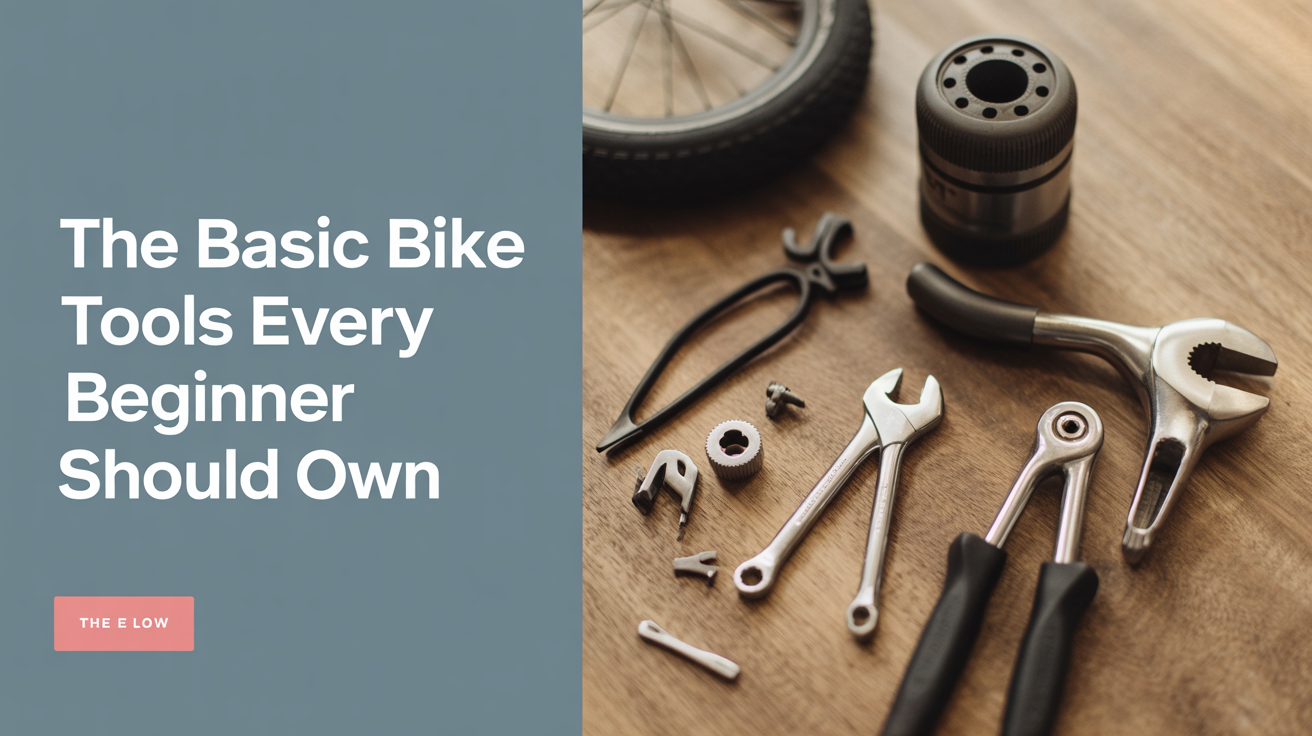
You don't need a workshop full of gear to keep a bike running well. A small collection of basic bike tools handles the jobs that come up most often: fixing a flat, adjusting a brake pad, cleaning the chain, tightening a loose bolt. Getting those tools before you need them means you're not stuck on the side of a trail or a road waiting for help.
This guide covers what to buy, what to skip for now, and how to use each tool safely.
Why a Home Bike Repair Kit Pays Off Quickly
Taking a bike to a shop for every minor job adds up fast. A flat tire patch at many shops runs $15 to $25 in labor alone, not counting parts. A basic home bike repair kit costs roughly the same amount up front and handles dozens of repairs over several years.
More importantly, knowing how your bike works makes you a safer rider. When you tighten your own stem or check your brake reach, you notice things that might otherwise go undetected until they cause a problem on a ride.
That said, this guide is for routine maintenance and minor adjustments. If something feels structurally wrong with your frame, fork, or headset, or if you're unsure about a brake or wheel repair, have a qualified mechanic take a look before you ride.
The Short List: Essential Bike Tools for Beginners
Here's a straightforward breakdown of what to own when you're just starting out.
| Tool | What It Does | Priority |
|---|---|---|
| Tire levers (2-3) | Remove a tire from the rim to fix a flat | High |
| Patch kit or spare tube | Repair or replace a punctured inner tube | High |
| Floor pump with gauge | Inflate tires to the correct pressure | High |
| Hex key set (Allen keys) | Tighten bolts on stems, handlebars, seat posts | High |
| Chain lube | Reduce chain wear and drivetrain noise | High |
| Combination screwdriver | Adjust brake pad holders, derailleurs | Medium |
| Cable cutters | Trim housing when replacing cables | Medium |
| Chain checker | Measure chain wear before it damages the cassette | Medium |
| Cone wrenches | Adjust cup-and-cone hubs | Lower (depends on bike) |
You can buy these individually or as a pre-assembled bike tool kit for beginners. Kits are convenient but vary in quality, so check that the hex keys are heat-treated steel and not soft pot metal that strips at the first use.
Flat Repair Tools: The First Things to Buy
A flat tire is the most common mechanical problem beginners face. You need three things to handle it.
Tire Levers
Plastic tire levers slip between the tire bead and the rim, letting you pop the tire off without pinching the tube further. Buy a set of three: two for prying, one as backup. Avoid metal tire levers on aluminum or carbon rims; they scratch and can crack a rim wall.
Spare Tube or Patch Kit
A spare tube is the fastest roadside fix. Note your tire size (printed on the sidewall, like 700x32c or 26x2.0) and buy a tube that matches. Carry at least one spare on every ride.
A patch kit takes a few extra minutes but saves money and weight in your bag over time. Self-adhesive glueless patches work well for road tires; traditional vulcanizing patches grip better on off-road tires that flex more.
Once you've read through the process a couple of times, check out the step-by-step walkthrough in how to fix a flat bike tire for a full breakdown.
Floor Pump with a Pressure Gauge
A hand pump gets you rolling after a trailside flat, but a floor pump at home lets you inflate tires to the precise pressure recommended on the sidewall. Running the right pressure reduces rolling resistance, prevents pinch flats, and protects your rims. A good floor pump with an accurate gauge costs $30 to $50 and lasts years.
See what tire pressure you should run for guidance on finding the right number for your tire, rider weight, and surface.
Hex Keys: The Most-Used Tool in Any Bike Kit
Modern bikes use hex bolts almost everywhere: stems, handlebar clamps, seat post collars, bottle cage mounts, brake levers. A set of hex keys (also called Allen keys) in sizes 2mm through 8mm covers nearly all of them.
L-shaped individual keys work, but a folding multi-tool keeps them organized and is easier to carry on rides. Look for chrome-vanadium or S2 steel, which holds an edge. Avoid the very cheap sets that strip bolt heads on the first use.
Torque matters. Carbon frames and components have maximum torque ratings printed on them for a reason. A torque wrench is worth adding once you're past the beginner stage, especially if you ride carbon.
Chain Care Tools
The chain is one of the parts that degrades fastest when neglected and causes the most downstream damage when it does. Worn chain teeth skip, slip, and eventually damage the cassette and chainrings, which are much more expensive to replace.
Chain Lube
Dry lube works well in dry conditions and doesn't attract much dirt. Wet lube handles rain and mud but picks up grime that needs regular cleaning. A small bottle lasts many applications. The process is simple: clean the chain, apply lube sparingly to the rollers, let it sit a few minutes, then wipe off the excess.
Chain Checker
A chain checker is a small gauge that measures how much the chain has stretched. Most chains need replacing around 0.5% to 0.75% stretch. Catching it early costs $15 to $20 for a new chain. Missing it means replacing a cassette and possibly chainrings too, which runs several times that.
For the full chain care process, how to clean and lube your bike chain walks through each step.
What You Don't Need Yet
Some tools are for specific jobs that beginners rarely encounter or that require practice to use safely.
A bottom bracket tool, spoke wrench, and bearing press are useful eventually but demand some mechanical confidence. Wheel truing in particular is easy to get wrong. If your wheel develops a wobble, a bike shop can true it quickly and cheaply.
Cable cutters and ferrule crimpers are worth owning if you plan to replace cables yourself, but cables don't need changing often and the job is fiddly the first time. Save those for when you're ready.
Building the Kit Over Time
You don't have to buy everything at once. Start with the flat repair tools and a floor pump; those are the items you'll use on day one. Add hex keys and chain lube once you've got a few rides in. Pick up the chain checker when you're ready to do your first chain cleaning.
Spread across a few months, the full starter kit costs $60 to $100 for decent-quality tools. Buying the cheapest option on each category often means replacing tools sooner, so mid-range is usually the better value.
Frequently Asked Questions
Do I really need a floor pump if I have a hand pump? A hand pump is essential for rides but not accurate enough for home use. Floor pumps with gauges are far easier to use and let you hit a consistent pressure every time, which affects tire performance and flat prevention.
Can I use automotive tools on my bike? Some overlap: standard screwdrivers, adjustable wrenches, and hex keys from a hardware store work fine. But bike-specific tools like tire levers, chain checkers, and cone wrenches exist because general auto tools don't fit or work correctly on bicycle components.
How do I know what size hex keys I need? The most common sizes on bikes are 4mm, 5mm, and 6mm. A folding set with 2mm to 8mm covers almost everything. When in doubt, a set is cheaper than buying individual keys and you'll find uses for most sizes.
Is it safe to do my own bike repairs as a beginner? Routine jobs like fixing flats, cleaning the chain, and tightening loose bolts are well within reach for most people. Jobs that affect braking, steering, or structural integrity (wheel truing, headset adjustment, brake cable replacement) are worth learning but have a higher margin for error. When uncertain, have a mechanic check your work before riding.
What's the difference between a multi-tool and a home repair kit? A multi-tool is a compact folding tool you carry on rides for roadside fixes. A home repair kit is a more complete set of tools for proper maintenance at home. Both are useful, and they serve different situations.