The Bike Accessories Worth Buying First
Not every bike accessory is worth buying right away. Here's what new cyclists actually need on day one and what can wait.
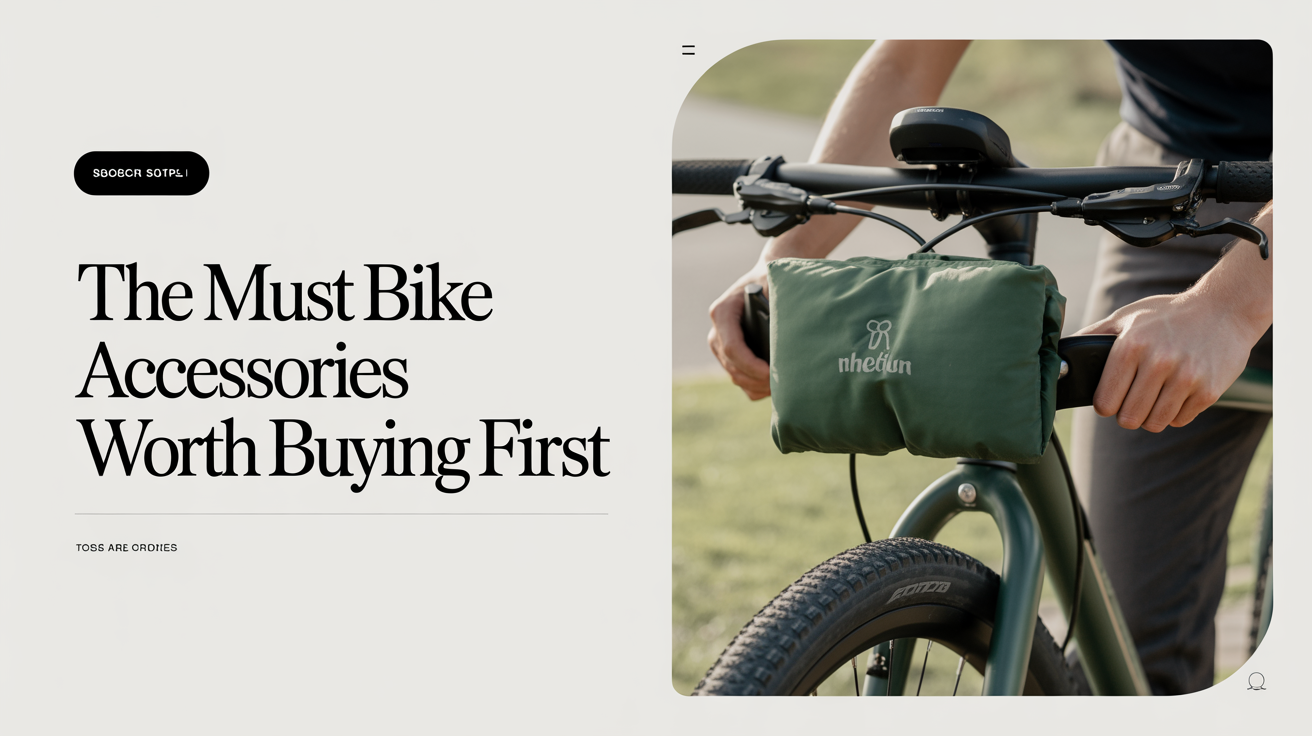
When you get a new bike, every shop, every forum, and every YouTube video seems to have a different list of accessories you supposedly can't live without. Most of it can wait. A handful of things genuinely make riding safer and more practical from the start.
This guide cuts through the noise. Buy these first. Everything else is optional until you know what kind of riding you actually do.
Safety First: What You Need Before Your First Ride
A Properly Fitted Helmet
A helmet is not optional. This is the one item where buying cheap or buying wrong has real consequences.
The fit matters more than the price. A $40 helmet that sits level on your head, covers your forehead, and doesn't rock side to side is safer than a $200 helmet worn incorrectly. Look for CPSC certification (required in the US for all helmets sold as bike helmets). Road-style helmets tend to be lighter and better ventilated; commuter and urban helmets often have a rounder shape that works well for casual riding.
Read our guide on how to choose a bike helmet that actually fits before you buy.
Front and Rear Lights
If there's any chance you'll ride at dusk, dawn, or in low light, you need lights. Many states legally require them after dark, and even in daylight, a flashing rear light makes you more visible to drivers.
You don't need to spend much here. A USB-rechargeable front light in the 200-400 lumen range and a flashing red rear light cover most situations. Clip-on lights are easy to move between bikes or take off when you lock up.
Practical Accessories That Pay for Themselves Quickly
A Floor Pump with a Gauge
Hand pumps that come with bikes are meant for emergencies, not regular inflation. A floor pump with a built-in pressure gauge lets you top off your tires before every ride in about 30 seconds.
Riding on properly inflated tires reduces rolling resistance, protects the rim, and makes flats less likely. Check the sidewall of your tire for the recommended pressure range. Most road tires want 80-100 PSI; most hybrid and mountain bike tires run lower, around 40-70 PSI.
A basic floor pump from any bike shop costs $25-45 and will last years.
A Saddle Bag or Frame Bag with Flat-Repair Supplies
At some point you'll get a flat, probably somewhere inconvenient. A small saddle bag tucked under the seat keeps the basics out of your way until you need them.
At minimum, carry:
- A spare inner tube (the right size for your wheel)
- Two tire levers
- A small hand pump or CO2 inflator
This setup weighs almost nothing and fits in a bag that costs under $20. Knowing you can handle a flat on your own changes how confidently you ride.
A Lock (If You'll Be Leaving the Bike Anywhere)
If you plan to lock up your bike at coffee shops, transit stations, or work, a lock is essential. How much lock you need depends on where you live and how long the bike sits unattended.
U-locks offer the best security for a given weight. Cable locks are convenient but can be cut quickly. A mid-range U-lock from a reputable brand ($40-70) is the right starting point for most riders. If you'll be in a high-theft area, pair it with a secondary cable to secure the wheels.
What to Add Once You Know Your Riding Patterns
Some accessories make sense right away; others depend on how and where you ride.
| Accessory | Buy Now If... | Can Wait If... |
|---|---|---|
| Water bottle cage | Rides over 30 min | You only do short loops |
| Cycling gloves | Your hands fatigue or go numb | Comfortable so far |
| Computer or GPS | Tracking distance motivates you | You're riding by feel |
| Fenders | You ride in rain or on wet roads | Dry-weather only |
| Rear rack or panniers | Commuting or errands | Recreational riding |
| Bell | Required by law in your area | Trails only |
A water bottle cage and bottle is cheap and useful from early on. Everything else is worth waiting on until you have a few weeks of riding to know what actually bothers you.
What Beginners Often Buy and Then Don't Use
Cycling gear marketing is good at convincing new riders that a certain product will solve a problem they don't have yet. A few common purchases that tend to gather dust:
Aero helmets and performance sunglasses. If you're not riding fast or long, the aerodynamics don't matter. A standard road helmet works fine until you're racing or doing timed events.
Clipless pedals and cycling shoes. These can genuinely help once you've developed your pedal stroke, but the learning curve for clipping in and out isn't worth it in your first few months. Flat pedals let you put a foot down naturally whenever you need to.
Heart rate monitors and power meters. Useful for structured training. Unnecessary until you have a training plan that calls for them.
For a broader look at what's genuinely useful versus what can wait, see our guide on essential cycling gear for beginners and what can wait.
Dressing for the Ride
Gear isn't only what you carry on the bike. What you wear affects comfort on longer rides. You don't need a full kit on day one, but a few basics help.
Padded shorts or padded liner shorts make saddle time more comfortable. A moisture-wicking base layer beats a cotton t-shirt on any ride over 30 minutes. And cycling-specific gloves have padding that reduces hand fatigue on the handlebars.
For guidance on what to wear in different conditions, take a look at what to wear cycling in any weather.
Frequently Asked Questions
Do I need cycling-specific accessories, or can I use regular gear?
For most accessories, regular gear works fine. Lights, locks, pumps, and bags don't need to be cycling-branded. The few places where cycling-specific products genuinely help are helmets (designed for cycling impacts), saddle bags (shaped to fit under a seat), and padded shorts (the chamois matters).
How much should I expect to spend on accessories when buying a first bike?
Budget $60-100 for essentials: helmet, lights, lock, pump, and a flat-repair kit. That covers everything you need for safe, practical riding. Additional items like gloves, a computer, or a rack can come later as you learn what you actually want.
Is a GPS computer worth buying for a beginner?
It depends on what motivates you. Some people find tracking distance and routes helpful for building consistency. Others prefer riding by feel without numbers. A free app on your phone does the same thing as a basic GPS computer for the first few months, so there's no rush to buy one.
Can I use my phone instead of a dedicated bike computer?
Yes, and most beginners should. Mount it in a handlebar mount (under $15) and use an app like Komoot or Strava. The main downsides are battery drain and screen glare in sunlight. A dedicated computer makes sense once you're riding regularly and want a cleaner setup.
What's the most common beginner mistake with bike accessories?
Buying too much too soon. It's easy to spend $300 on accessories before you've ridden enough to know what you actually need. Start with the safety essentials, ride for a few weeks, and let your real problems tell you what to buy next.